Key facts
- Iraq's Prime Minister Ali al-Zaidi is visiting the White House next week to sign business deals with President Trump.
- The US has resumed air shipments of Iraqi oil income to the Federal Reserve Bank of New York.
- Deals to be signed include Chevron developing an oil field and a US firm expanding activities at the Akkas gas field.
- A deal to rehabilitate the Kirkuk Baniyas pipeline will also be signed.
- Zaidi has set a September 30 deadline for militias to surrender weapons, but key groups have refused.
- US support for Zaidi's nomination was overt, with analysts calling it unprecedented.
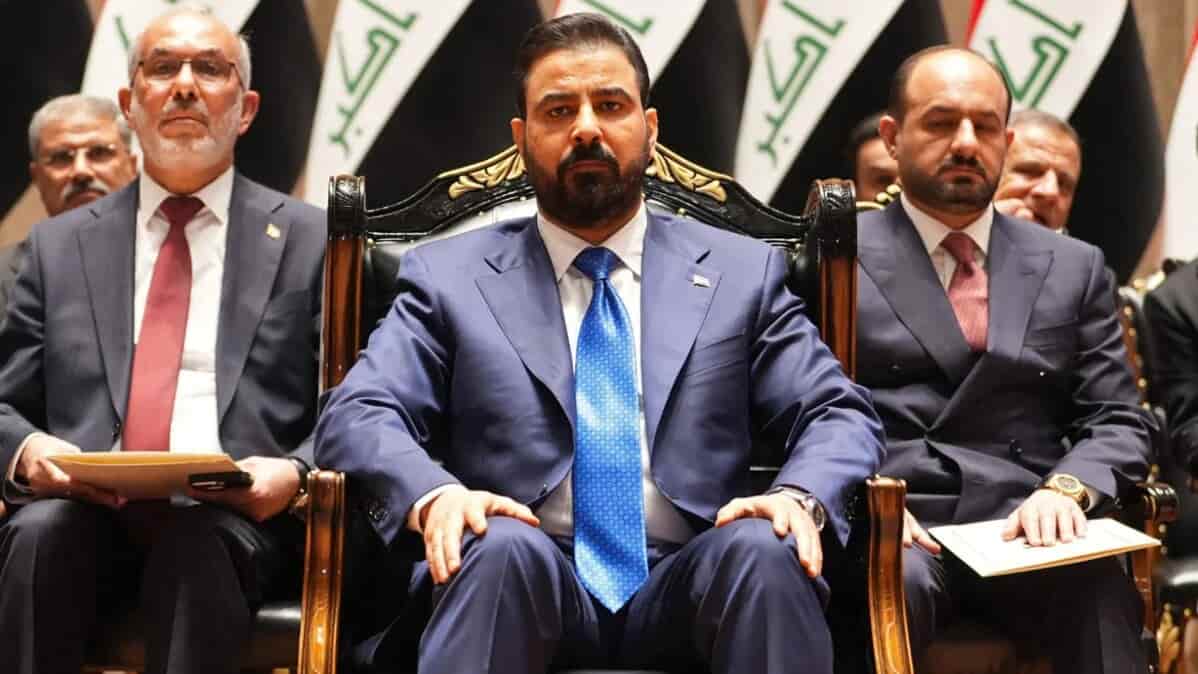
Iraq's newly nominated Prime Minister, Ali al-Zaidi, is set to visit the White House next week, aiming to solidify business ties with President Trump. This visit follows the US's resumption of air shipments of Iraqi oil income, a move seen as timely given Zaidi's background as a businessman and his administration's focus on economic deals.
During the visit, Iraq is expected to sign preliminary agreements for Chevron to develop an oil field in Basra and for a US firm to expand activities at the Akkas gas field. Additionally, a deal to rehabilitate the Kirkuk Baniyas pipeline will be signed, a move supported by Trump's envoy Tom Barrack as part of efforts to counter Iran's influence.
Zaidi's selection as Prime Minister was notably overt, with analysts describing it as unprecedented in US-Iraq relations, indicating strong US backing. However, his position is delicate, balancing US financial leverage with Iran's influence through powerful Shia militias, such as the Popular Mobilisation Forces (PMF). These militias, integrated into Iraq's security apparatus, have been accused of various illicit activities and have largely refused to disarm by Zaidi's September 30 deadline.
Experts express skepticism about the effectiveness of Zaidi's disarmament plan, citing the unwillingness of hardline militias like Kataib Hezbollah and Harakat al-Nujaba to relinquish their weapons, and the lack of acceptance from Tehran. The situation is further complicated by the ongoing regional conflicts, which have emboldened Iran and its allies.