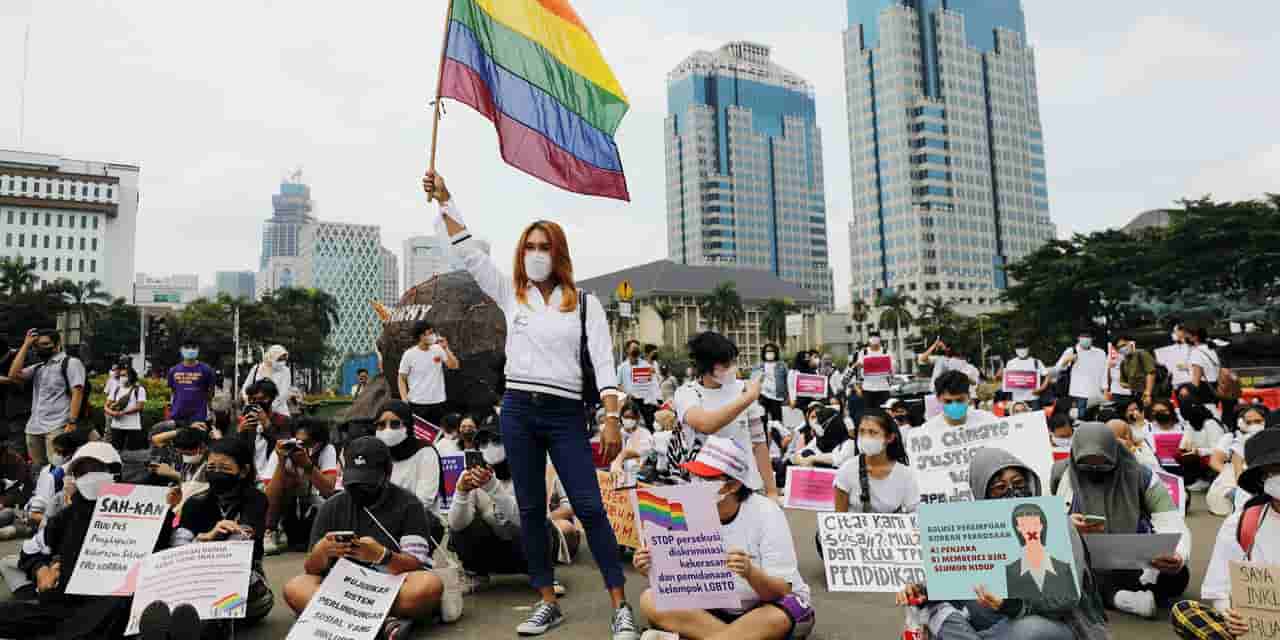
Key facts
- Human rights watchdogs are concerned about escalating persecution of Indonesia's LGBT community.
- Recent vigilante attacks have targeted transgender women in Indonesia.
- New regulations are contributing to fears of increased threats against the LGBT community.
- Indonesia is in the process of reforming its criminal code under the draft bill RKUHP.
- Activists worry the RKUHP could be used to penalize same-sex couples due to its ambiguity.
- A proposed article in the RKUHP could punish 'obscene acts against other people who are of the different or same sex' if conducted in public.
Human rights organizations are expressing alarm over the intensifying persecution of Indonesia's LGBT community, citing recent vigilante assaults on transgender women and new regulations that heighten safety concerns. The Indonesian government is working on reforming the country's criminal code through a draft bill known as RKUHP. While intended to replace colonial-era laws, activists fear these reforms could be exploited to criminalize and target same-sex relationships, despite the absence of explicit LGBTQ terminology in the bill.
Concerns stem from the bill's ambiguity, particularly regarding offenses against decency and same-sex intercourse in certain contexts. Coordinating security affairs minister Mohammad Mahfud MD stated that while LGBTQ individuals are not specifically named, acts against decency could be penalized, drawing parallels to how theft is prosecuted without the word 'thief' being in the code. Conservative lawmaker Amin Akram indicated his party's desire for immediate ratification of the bill.
Legal experts and activists question the government's commitment to protecting the human rights of all citizens, arguing that sexual orientation should not be a basis for criminalization. A proposed article in the RKUHP could impose fines and imprisonment for "obscene acts against other people who are of the different or same sex" if conducted in public, with violence, or published as pornography. Sex between consenting same-sex adults would reportedly be punishable if performed publicly, but not if conducted in secret.
This current situation echoes a period in 2016 when anti-LGBT rhetoric surged following public comments by government officials, leading to increased hostility, threats, and violent attacks against LGBT individuals and organizations. At that time, proposals for laws that threatened the rights and safety of LGBT Indonesians emerged, fueled by widespread intolerance.