Key facts
- Indian forces allegedly used pellet guns on student protesters and journalists in New Delhi.
- The tactic mirrors methods previously used in Indian-controlled Kashmir.
- Medical reports support claims of pellet gun injuries.
- Delhi police denied pellet gun use, but the RAF admitted to excessive force.
- Protests were initially for educational reforms but expanded to broader government accountability demands.
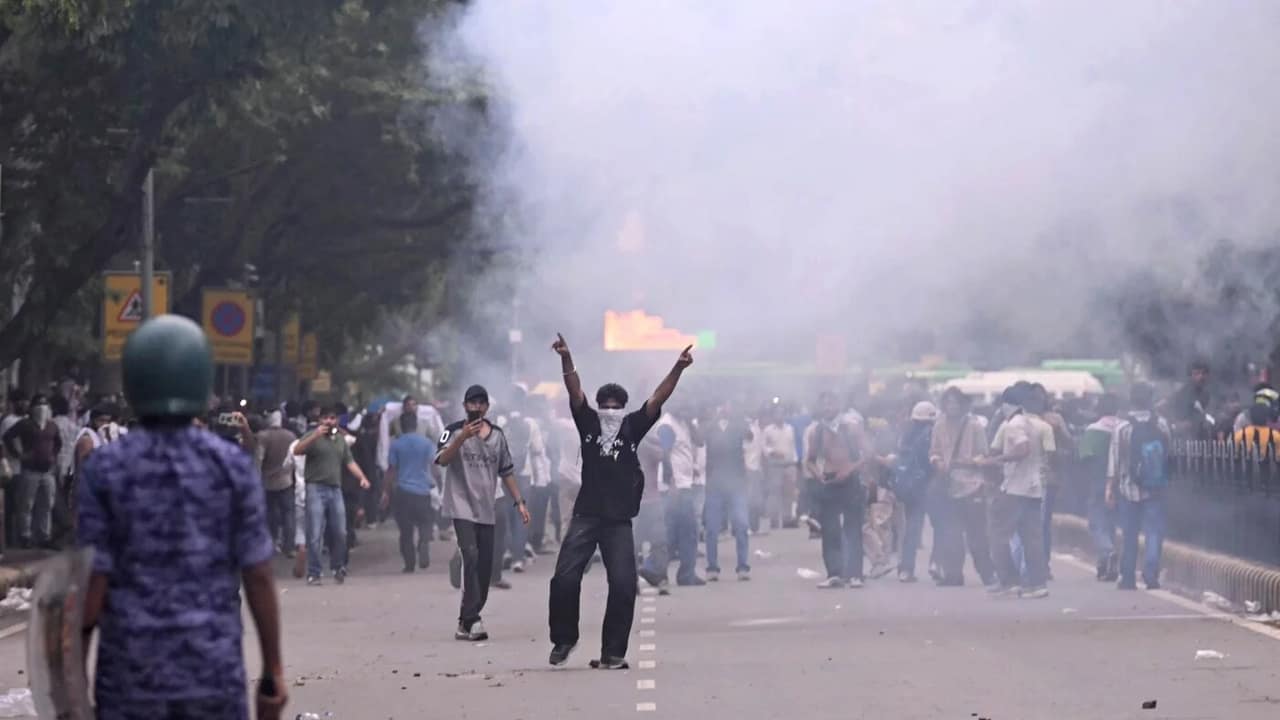
Indian forces allegedly used pellet guns on student protesters and journalists in New Delhi on July 20, a tactic previously confined to Indian-controlled Kashmir. The incident occurred during protests demanding educational reforms and the resignation of Education Minister Dharmendra Pradhan. Hospital reports indicated wounds consistent with pellet strikes on at least one journalist.
Human Rights Watch stated that Delhi police and the Rapid Action Force (RAF) employed excessive force, including electric shock batons, tear gas, stones, and internet blackouts. While Delhi police initially denied using pellet guns, the RAF later admitted to excessive force following an internal investigation. This marks the first known instance of pellet gun use by Indian forces in the capital, a method the UN described as dangerous in Kashmir.
The protests, initially organized by the satirical 'Cockroach Janta Party' (CJP) in response to controversial remarks by Chief Justice Surya Kant, have expanded to demand accountability for a flawed national exam and the resignation of Prime Minister Narendra Modi. Activist Sonam Wangchuck's hunger strike garnered significant support. Following days of escalated protests, Pradhan announced his resignation, but the CJP stated protests would continue until other demands were met.
Activists and writers noted that tactics like internet shutdowns and the use of pellet guns, previously seen in Kashmir, are now being employed in Delhi. They described Kashmir as a 'testing lab' for suppression tools. The RAF has indicated it will no longer deploy personnel from 'special operation zones' like Kashmir for protests in India, citing different operational perspectives. However, comparisons between Delhi and Kashmir highlight disparities, with Kashmiri detainees facing harsher laws like the Public Safety Act, and a lack of interlinking the current protests with the long history of pellet gun violence in Kashmir.