All NewsEducationTV
Equities & FundsCrypto & Digital AssetsAI & TechnologyBusiness & CorporateUS Politics & PolicyGeopolitics & Global RiskMacro, Rates & FXCommodities & EnergyEuropean Politics & MarketsAsia-PacificReal Estate & Property
Story archiveAll categories
← All Stories

India Proposes Stricter Penalties for Public Exam Cheating Amid Protests

Created at 27 Jul · 10:12 AM2 sources↑ Market-relevant2 events
IN SHORT

India's government has introduced a bill to amend the Public Examinations Act, proposing harsher penalties for exam cheating following widespread youth protests. The changes include increased prison terms and fines, and come after the cancellation of the NEET medical school entrance exam.

✉Newsletter

PiQ Daily

Pick your topics. Get only what matters, on your cadence.

Key Numbers

2 millionstudents affected by NEET cancellation
three yearsprevious minimum prison term
five yearsproposed minimum prison term
10 million rupeesprevious maximum fine
50 million rupeesproposed maximum fine
eight yearsproposed ban duration for guilty firms

Who's Involved

Narendra Modi
Prime Minister of India announcing reforms and special courts
Dharmendra Pradhan
Education Minister who resigned following protests
Nandan Nilekani
Technology expert leading a panel on examination reforms
Abhijeet Dipke
Founder of the Cockroach Janta Party (CJP) movement
Sonam Wangchuk
Activist who launched a hunger strike
India Proposes Stricter Penalties for Public Exam Cheating Amid Protests

↳ Why This Matters

The proposed legislative changes and the formation of a reform panel signal the government's response to significant public pressure stemming from exam integrity issues, aiming to restore confidence in the national examination system and address youth concerns.

Key facts

  • India's government introduced a bill to amend the Public Examinations Act.
  • The proposed amendments aim to increase penalties for public exam cheating.
  • The NEET undergraduate medical school entrance exam was cancelled due to leaks.
  • Education Minister Dharmendra Pradhan resigned following widespread protests.
  • A task force led by Nandan Nilekani will focus on examination reforms.

India's federal government has introduced a bill in parliament to amend the Public Examinations Act, aiming to introduce stricter penalties for cheating and irregularities in public exams. This move follows widespread youth protests and the cancellation of the National Eligibility cum Entrance Test (NEET) for undergraduate medical school admissions due to alleged paper leaks. The cancellations affected approximately 2 million candidates and contributed to the resignation of Education Minister Dharmendra Pradhan.

The proposed amendments seek to significantly increase penalties, including raising the minimum prison term for culprits from three to five years and increasing the maximum fine five-fold from 10 million rupees ($104,000) to 50 million rupees ($522,000). The bill also proposes doubling the ban period for firms found guilty of involvement in exam irregularities to eight years.

Prime Minister Narendra Modi has also announced the formation of a high-powered task force, led by technology expert Nandan Nilekani, to focus on overhauling the country's examination system and leveraging technology for reforms. These actions come after a previous expert panel made 101 recommendations in 2024, many of which are still in the implementation phase.

Frequently asked questions

Widespread youth protests erupted after leaks of the NEET undergraduate medical school entrance exam, leading to its cancellation and forcing millions of students to re-take the test.

The amendments propose increasing the minimum prison term for culprits from three to five years, raising the maximum fine five-fold to 50 million rupees, and doubling the ban on guilty firms to eight years.

The high-powered panel is led by technology expert Nandan Nilekani, known for his role in India's digital identity system Aadhaar and co-founding Infosys.

Yes, following 2024 exam leaks, an expert panel made 101 recommendations, many of which are still being implemented, including transitioning to computer-based testing.

What Happens Next

01The proposed amendments to the Public Examinations Act will be debated and voted on in parliament.
02The task force led by Nandan Nilekani will submit its recommendations for examination reforms.
03Recommendations from the task force will be implemented to strengthen the examination system.

Get the newsletter.

Pick the topics you actually care about. We'll email when there's news worth your time, on the cadence you choose. Cancel any time from your account.

Cadence

How It Developed

India's government proposed amendments to the Public Examinations Act after paper leaks led to protests and exam cancellations.
The National Eligibility cum Entrance Test (NEET) for medical school admission was scrapped due to alleged leaks.
A street protest led by Abhijeet Dipke demanded the resignation of Education Minister Dharmendra Pradhan.
The Cockroach Janta Party (CJP) movement began a sit-in protest at Jantar Mantar.
Activist Sonam Wangchuk launched a hunger strike in support of the movement.
Wangchuk was forcibly moved to hospital after his condition worsened.
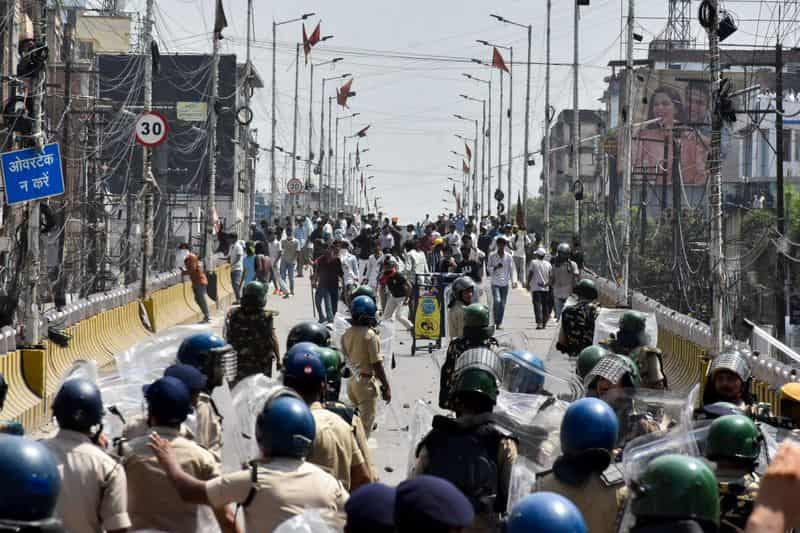
Protesters clashed with police while attempting to march on parliament.
Prime Minister Narendra Modi appealed for strict steps over exam leaks and punishment for the guilty.

Sources

T1
Factbox-How is India reforming its public exam system after massive youth protests?Reuters

Related Stories

India suspends policeman for firing AK-47 at student protesters
27 Jul · 8:37 AM
India's Gen Z protesters force minister's resignation, signaling shift in youth activism
27 Jul · 8:11 AM
India's 'Cockroach' Protests Expose Cracks in Modi's Government
27 Jul · 5:56 AM
India's youth protest movement forces resignation of Modi's education minister
26 Jul · 4:16 PM
Yoon convicted of election law violations, PPP faces 40 billion won repayment
27 Jul · 7:51 AM