Key facts
- The ICC's Bureau of the Assembly of States Parties (ASP) has changed the voting procedure for removing Chief Prosecutor Karim Khan.
- The new process combines the vote on misconduct findings and dismissal into a single motion.
- This change deviates from the previously expected two-stage voting process.
- The ASP is set to vote on Khan's removal on July 24.
- Khan's legal team has raised serious questions about the lawfulness and fairness of altering rules mid-case without notice.
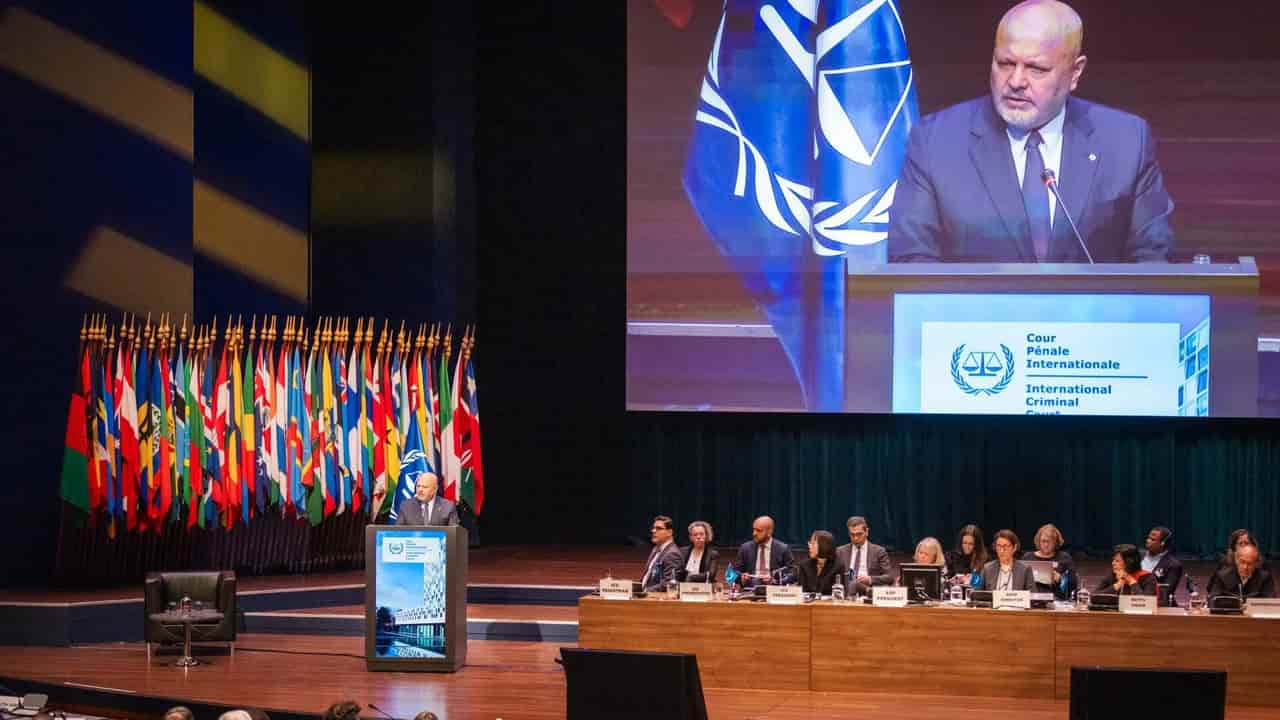
The International Criminal Court's (ICC) executive body, the Bureau of the Assembly of States Parties (ASP), has altered the voting procedure for the potential removal of Chief Prosecutor Karim Khan. The change, approved by a majority of the Bureau, consolidates the vote on findings of serious misconduct and the decision on dismissal into a single motion, deviating from a previously anticipated two-stage process.
The ASP, comprising diplomatic representatives from the ICC's 125 member states, is scheduled to vote on Khan's future on July 24 at the UN headquarters in New York. This development follows the Bureau's determination by a two-thirds majority that Khan had committed "serious misconduct," despite a judicial panel concluding that the evidence was insufficient. Khan has denied the allegations of sexual misconduct.
Khan's legal representatives expressed surprise and concern over the procedural change, stating it departs from the Bureau's own written procedures and raises serious questions of lawfulness and fairness. They noted that the new arrangement removes the separate determination of misconduct and lowers the threshold for a finding of serious misconduct. The ASP secretariat declined to comment on the confidential proceedings.
According to the court's rules, the ASP is responsible for determining misconduct allegations and removal. A finding of serious misconduct requires a two-thirds majority of states present and voting, with removal requiring an absolute majority (63 votes). The Bureau's March procedures paper outlined a process where states would first decide on the level of misconduct, followed by a second vote on removal only if serious misconduct was found.
The allegations against Khan include a complaint of unwelcome sexual conduct and abuse of authority, as well as three allegations of retaliation, though the Bureau did not find misconduct related to the latter. The Bureau's decision stated that evidence established Khan engaged in a sexual relationship with the complainant, deeming it inappropriate due to a power imbalance. Khan's lawyers dispute this, asserting that no such allegation of a consensual relationship was made or put to him during the investigation, and that the original complaint centered on non-consensual conduct.
Reports indicate that 14 bureau member states supported Khan's suspension, while four voted against it, and others abstained. The complaint against Khan reportedly included allegations of sexual assault, which were first revealed to him in May 2024. An internal ICC investigation was closed quickly due to the complainant's non-cooperation. The allegations gained wider attention through media leaks and social media.