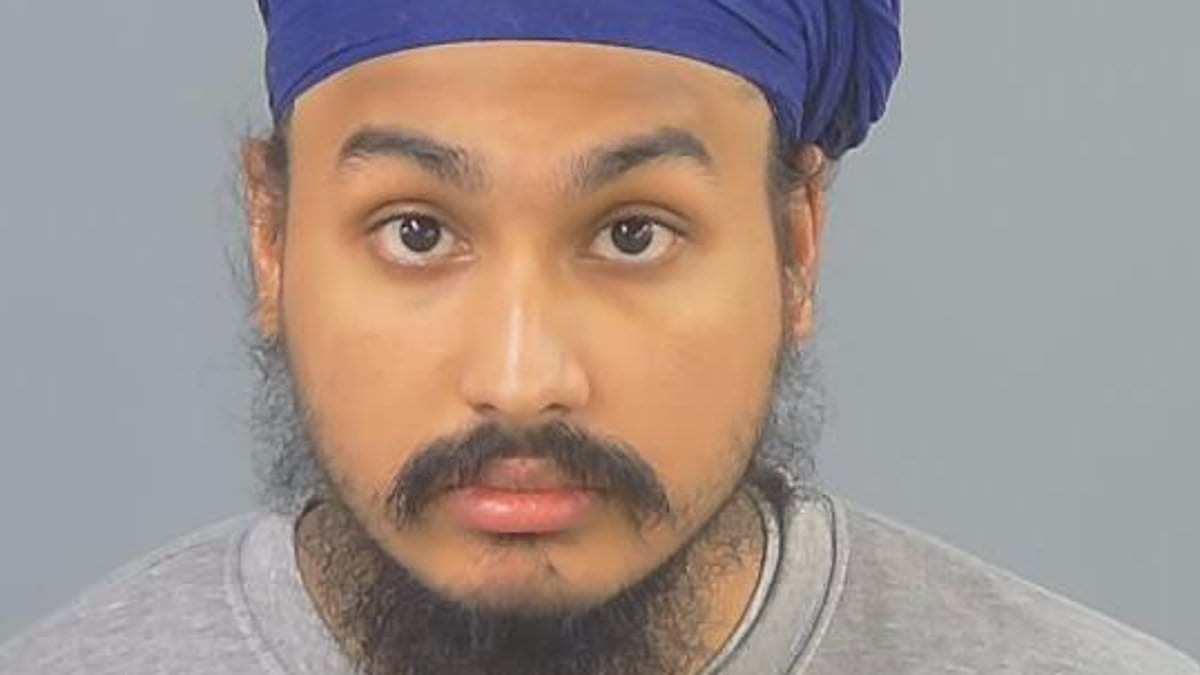
Key facts
- Vickrum Digwa, convicted of murdering Henry Nowak, is appealing his conviction and sentence.
- Digwa was sentenced to life imprisonment with a minimum of 21 years.
- The Solicitor General had previously referred the sentence to the Court of Appeal as "unduly lenient".
- Digwa's mother, Kiran Kaur, was found guilty of assisting an offender.
- Two police officers are under investigation for potential gross misconduct in their handling of the case.
Vickrum Digwa, the individual convicted of murdering student Henry Nowak, is pursuing an appeal against both his conviction and the sentence imposed. Digwa was handed a life sentence with a minimum term of 21 years in June for fatally stabbing the 18-year-old in Southampton in December.
Adding complexity to the case, the Solicitor General, Ellie Reeves, had previously referred Digwa's sentence to the Court of Appeal, arguing it was "unduly lenient." On Friday, the Court of Appeal confirmed that Digwa has now lodged his own application to appeal his conviction and sentence. Details of Digwa's specific grounds for appeal have not yet been disclosed, and no dates have been set for either his appeal hearing or the review of his sentence.
During the trial, Digwa had initially lied to the police, claiming he was the victim of a racist attack. This claim was disputed by the judge, who stated he was sure Henry Nowak had said nothing racist. The case gained further public attention following the release of police body-worn footage showing officers handcuffing Nowak as he lay dying and failing to provide immediate first aid, despite him stating he could not breathe. Henry's father, Mark Nowak, described the disparity in treatment as "unbearable."
Digwa was also convicted of carrying a knife in public. His mother, Kiran Kaur, 53, has been found guilty of assisting an offender for her role in attempting to hide the knife used in the attack. She is scheduled to be sentenced on July 17.
The Independent Office for Police Conduct is currently investigating two officers for potential gross misconduct concerning their actions on the night of the incident.