All NewsEducationTV
Equities & FundsCrypto & Digital AssetsAI & TechnologyBusiness & CorporateUS Politics & PolicyGeopolitics & Global RiskMacro, Rates & FXCommodities & EnergyEuropean Politics & MarketsAsia-PacificReal Estate & Property
Story archiveAll categories
← All Stories

Heat amplifies pesticide dangers for farmworkers, study finds

Created at 18 Aug · 11:16 AM1 source↑ Market-relevant
IN SHORT

Rising temperatures increase the risks farmworkers face from pesticides, as heat makes bodies more vulnerable to toxicants, boosts pesticide evaporation, and can transform chemicals into more dangerous compounds. This environmental injustice disproportionately affects vulnerable populations.

Key Numbers

2.4 millionUS farmworkers
1,042worker deaths related to heat (1992-2022)
34average annual heat-related worker deaths (1992-2022)
95 degreesheat index threshold considered for breaks in Miami-Dade County proposal

Who's Involved

Omanjana Goswami
scientist in the food and environmental program at the Union for Concerned Scientists
Jeannie Economos
pesticide safety and environmental health project coordinator at the Farmworker Association of Florida
Union for Concerned Scientists
advocacy group that released a report on pesticide dangers
Occupational Safety and Health Administration (OSHA)
agency proposing new heat standard for workplaces
Heat amplifies pesticide dangers for farmworkers, study finds

↳ Why This Matters

The intersection of rising global temperatures and pesticide use poses a significant threat to the health and safety of farmworkers, highlighting critical issues of environmental justice and the need for stronger regulatory protections.

Key facts

  • Hotter temperatures increase farmworker vulnerability to pesticides by stressing the body and enhancing skin absorption.
  • Rising heat can lead to higher pesticide evaporation rates and chemical transformation into more toxic compounds.
  • Thousands of US farmworkers experience acute pesticide poisoning annually, with many cases going unreported.
  • Heat is a leading weather-related cause of illness and death among US workers.
  • Federal regulations for farmworker heat protection are limited, though OSHA is working on a new standard.
  • Some states have enacted heat protections, while others have prohibited local ordinances.

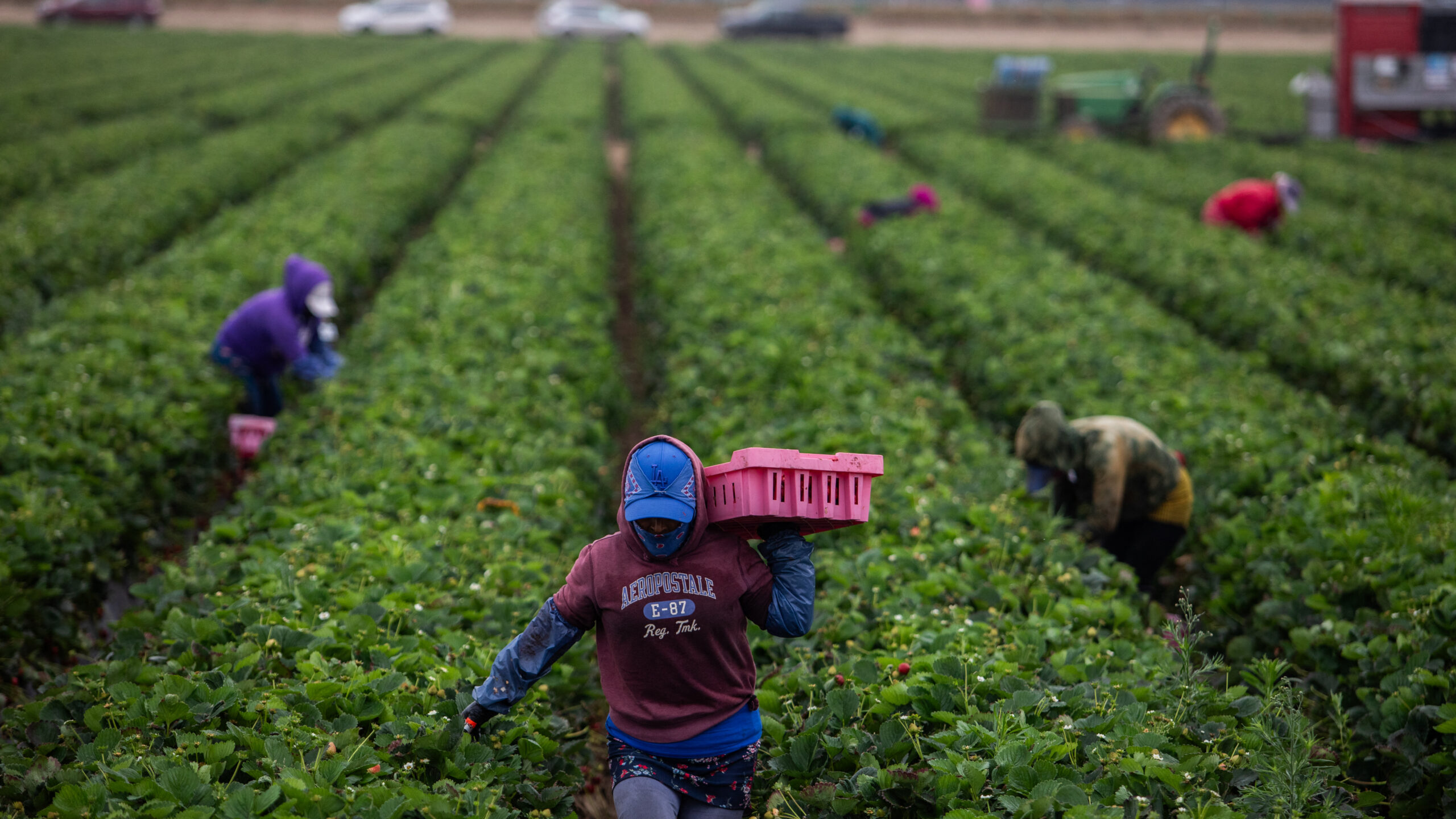
As climate change drives up global temperatures, farmworkers face amplified risks from pesticide exposure, according to a growing body of research. Heat stress makes the human body more susceptible to the toxic effects of pesticides, while also increasing the rate at which pesticides evaporate and can transform into more dangerous compounds. This combination of factors exacerbates the dangers for the nation's 2.4 million farmworkers, many of whom are immigrants and people of color, leading to what experts describe as environmental injustice.

Omanjana Goswami, a scientist at the Union for Concerned Scientists, explained that higher temperatures lead to increased inhalation and skin absorption of pesticides. The Union for Concerned Scientists' report indicates that rising temperatures may also lead to expanded pesticide use as pests and weeds proliferate. While precise data is limited, thousands of farmworkers suffer from acute pesticide poisoning annually, with many cases going unreported due to varying state practices and a lack of adequate reporting.

Field workers, who do not directly handle chemicals, constitute the majority of reported poisonings, often due to employers failing to post adequate warnings or provide proper protective gear and training. Research also shows that protective gear, such as PVC gloves, can degrade in high heat, becoming less effective. Chronic exposure to pesticides is linked to serious health issues including cancer, diabetes, and neurodegenerative diseases. Family members can also be exposed to pesticide residue carried home on clothing.

Heat itself is a significant danger, being the leading weather-related killer in the United States. Thousands of outdoor laborers suffer heat-related illnesses and injuries each year. In response to these risks, the Occupational Safety and Health Administration (OSHA) proposed a new standard in 2024 to define employer obligations for heat hazard control, though progress is slow. While some states like California and Oregon have implemented heat protections, others, such as Florida and Texas, have prohibited local governments from establishing such measures, even after proposals for mandatory water and rest breaks were considered.

Frequently asked questions

Heat stresses the body, making it more vulnerable to pesticides. It can also increase pesticide evaporation, leading to higher exposure, and may chemically transform pesticides into more toxic forms.

Farmworkers, who are often immigrants and people of color, are disproportionately affected. Field workers who do not directly handle chemicals account for the majority of reported poisonings.

Chronic exposure is linked to cancer, depression, diabetes, neurodegenerative diseases, and reproductive issues. Acute exposure can lead to immediate poisoning symptoms.

Federal protections are limited, though OSHA is working on a new standard. Some states have implemented heat protections, but federal reliance is on the general duty clause requiring employers to provide a safe workplace.

What Happens Next

01OSHA's proposed heat standard is moving forward, though slowly.
02Further research may be conducted on the long-term health impacts of combined heat and pesticide exposure.

How It Developed

Research indicates that hotter temperatures amplify the dangers of pesticides for farmworkers.
Heat stresses the body, increasing vulnerability to pesticides and toxicants.
Higher evaporation rates due to heat can increase farmworkers' exposure to pesticides.
Heat can also increase the toxicity of certain pesticide compounds.
Pesticide safety experts highlight the severe risks of inhalation and skin absorption.
Rising temperatures are expected to expand pesticide use as pests and pathogens spread.
Thousands of US farmworkers suffer from acute pesticide poisoning annually, with many cases unreported.
Farmworkers, often immigrants and people of color, face environmental injustice.

Sources

T1
As temperatures get hotter, pesticides are more dangerous to farmworkersArs Technica

Related Stories

ICE proposes legal insurance for local officers making immigration arrests
17 Aug · 9:41 PM
States Unite Against Meta in Landmark Trial Over Youth Social Media Harms
18 Aug · 10:11 AM
Justice Department watchdog to review DEA tactic that permitted deadly fentanyl to hit streets
17 Aug · 5:56 PM
Reform's Tice dismisses climate crisis, urges public to 'enjoy' heat
17 Aug · 3:06 PM
Trump administration appoints more ultra-rich officials than predecessors combined
17 Aug · 1:06 PM