Key facts
- Government auditors found the Department of Government Efficiency's (DOGE) claimed $110 billion in savings to be inaccurate or lacking evidence.
- Over 2,500 contracts, totaling $27.4 billion, were incorrectly listed as terminated by DOGE.
- The calculation methodology for 96% of DOGE's claimed grant savings could not be verified by the GAO.
- DOGE was a cost-cutting agency established by President Donald Trump via executive order.
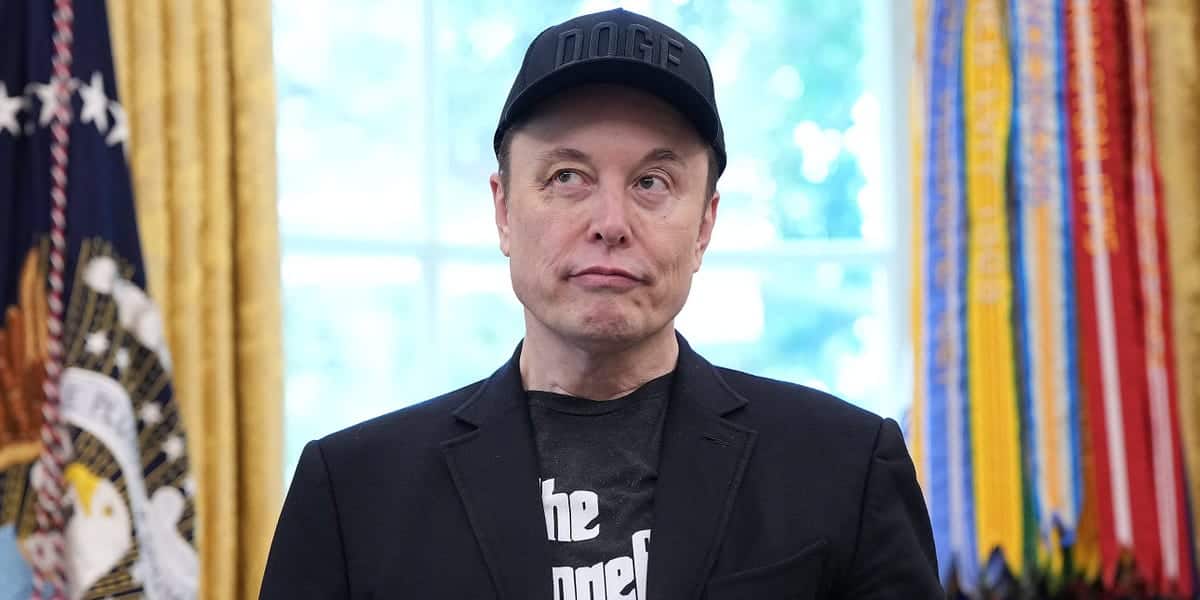
- Elon Musk was initially the public face of DOGE.
Government auditors have questioned the accuracy of the Department of Government Efficiency's (DOGE) claimed savings, finding that estimates totaling $110 billion were often incorrect or lacked supporting evidence. The Government Accountability Office (GAO) audit revealed that over 2,500 contracts, valued at $27.4 billion, were incorrectly listed as terminated. Furthermore, the methodology used by DOGE to calculate savings from canceled grants, which accounted for roughly $49 billion of the total claimed savings, could not be verified for 96% of the cases.
DOGE, a cost-cutting agency established by President Donald Trump via executive order, initially claimed $16.5 billion in savings, a figure that was revised multiple times before the agency shut down in July 2025. Elon Musk, who served as the public face of DOGE, stepped back from the initiative in April 2025. The GAO noted that some savings from leases were already in process before DOGE's establishment, and in one instance, over $1.7 billion in savings were reported on a contract that was ultimately not terminated.
The agency's 'Wall of Receipts' initiative, intended to showcase savings, has faced scrutiny due to a lack of transparency in its calculation methods, limiting the reliability of its reported figures.