Key facts
- Republican candidates in swing states face uncertainty over a promised midterm convention.
- The Republican National Committee has not yet announced plans or a date for the convention.
- Some Republicans view the convention as a potential distraction from crucial midterm campaign efforts.
- Upcoming votes on the extension of Affordable Care Act (ACA) subsidies are causing anxiety among Republican senators.
- The expiration of ACA subsidies could lead to significant premium increases for many Americans.
- Republican senators are divided on how to address the ACA subsidy issue, with some supporting extensions and others seeking alternatives.
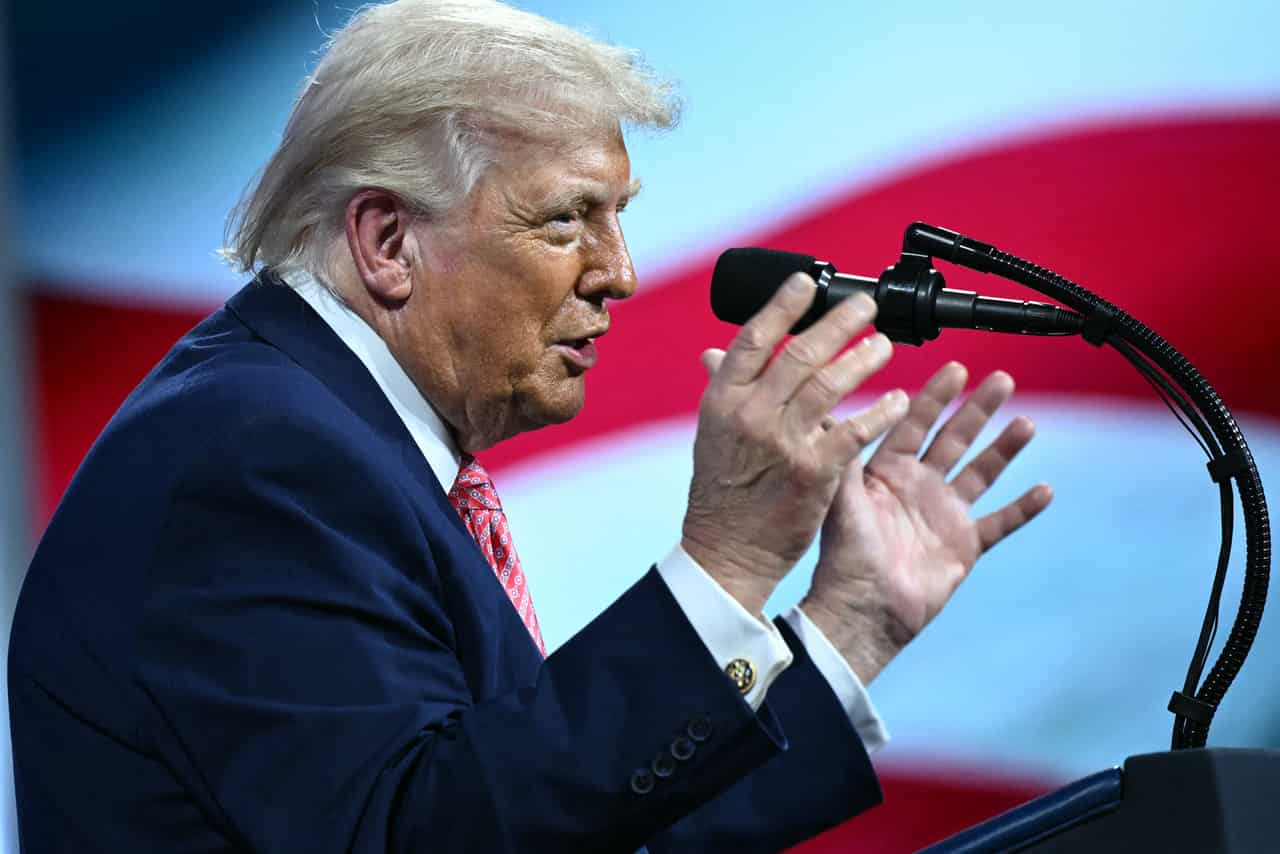
Republican candidates in swing states are facing a dual challenge as uncertainty surrounds a promised midterm convention and upcoming votes on healthcare policy threaten to create a political backlash. The Republican National Committee (RNC) has yet to announce concrete plans for a midterm convention, a gathering that Donald Trump had advocated for. This lack of information is causing frustration among party operatives, donors, and candidates, who worry it could distract from essential on-the-ground campaign work and the need to cultivate individual candidate brands.
Some Republicans view the convention as a potential "coronation" for Trump or a "mini infomercial" that pulls resources away from competitive races. Strategists suggest that while an early August convention might be manageable, holding it closer to Election Day could be detrimental. The RNC, however, maintains that there is overwhelming enthusiasm for Trump's agenda and denies any frustration within the party.
Compounding these concerns are impending votes in the Senate regarding the extension of Affordable Care Act (ACA) subsidies, which are set to expire at the end of the year. This expiration could lead to significant premium increases for many Americans, particularly impacting those on marketplace plans. Republican senators, especially those in swing states, are expressing anxiety about the political repercussions of not offering a clear solution or alternative to the current system. While some, like Senators Susan Collins and Bernie Moreno, support a temporary extension, the party has struggled to coalesce behind a unified plan, leading to concerns that inaction could be a "recipe for disaster" for their electoral prospects.