Key facts
- A new GOP bill proposes transferring the management of student loan accounts from the Education Department to the Treasury Department.
- The bill is part of a larger slate of 10 bills aimed at reducing the size and scope of the Education Department.
- The transfer would begin with defaulted student loan borrowers' accounts and later include non-defaulted accounts.
- Proponents argue the Treasury has the financial expertise to manage the program more effectively.
- Critics suggest the Treasury may lack the operational capabilities for complex student loan repayment programs and could create more bureaucracy.
House Republicans have introduced a bill that would officially transfer the management of millions of student loan accounts from the Department of Education to the Treasury Department. This proposal is part of a broader initiative by the House education committee to introduce 10 bills aimed at reducing the size of the Education Department, a plan that aligns with the Trump administration's objective to 'right-size' the agency.
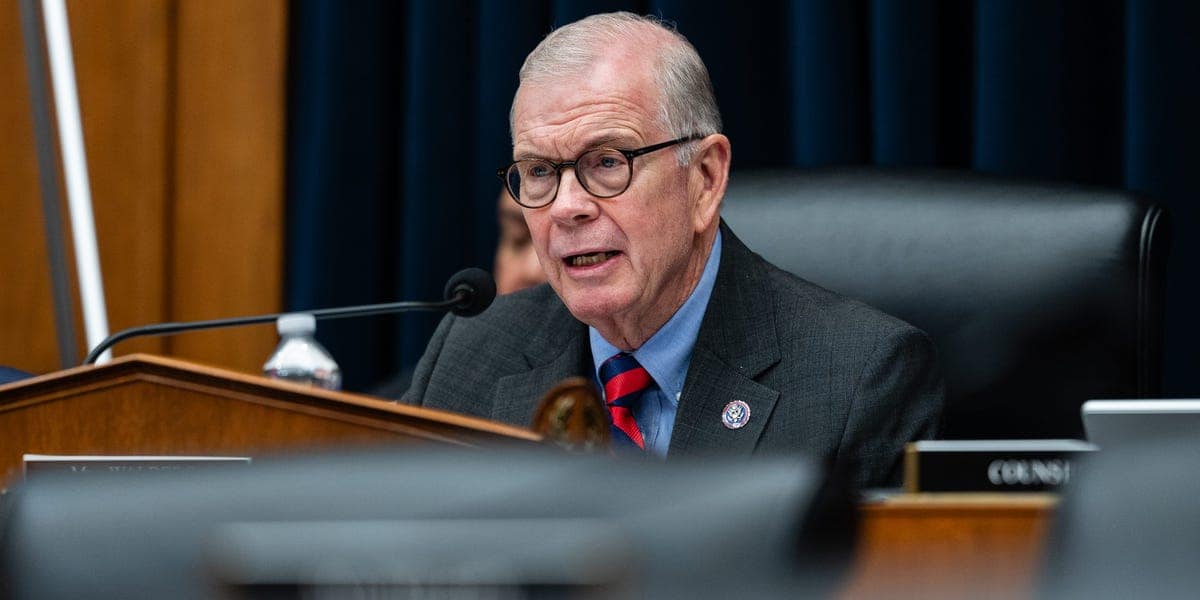
Representative Tim Walberg, the committee chair, stated that the bills would shift key authorities to agencies better equipped to serve families, thereby cutting through Washington bureaucracy. The plan, first announced in March, involves a phased transfer of student loan accounts, starting with those in default and eventually including non-defaulted accounts.
Education Department officials have described the legislation as codifying "commonsense partnerships" to streamline federal education bureaucracy and enhance student outcomes. Secretary Linda McMahon previously acknowledged the Education Department's struggles in effectively managing student loan programs, while Treasury Secretary Scott Bessent highlighted his agency's operational capabilities and financial expertise as reasons for the proposed shift.
However, some education policy experts and former administration officials have expressed skepticism, citing a lack of evidence that the Treasury possesses the necessary operational capacity for complex loan repayment programs. The Treasury Department confirmed in April that preparations to assume the defaulted student loan portfolio were underway. Meanwhile, union representatives for Education Department employees argue that the proposed bills could actually increase red tape for the public and federal workers.