HomeEverything
Equities & FundsCrypto & Digital AssetsAI & TechnologyBusiness & CorporateUS Politics & PolicyGeopolitics & Global RiskMacro, Rates & FXCommodities & EnergyEuropean Politics & MarketsAsia-PacificReal Estate & Property
← All Stories

Florida bans local governments from pursuing net-zero emissions goals

Created at 30 Jun · 1:46 PM1 source↑ Market-relevant
IN SHORT

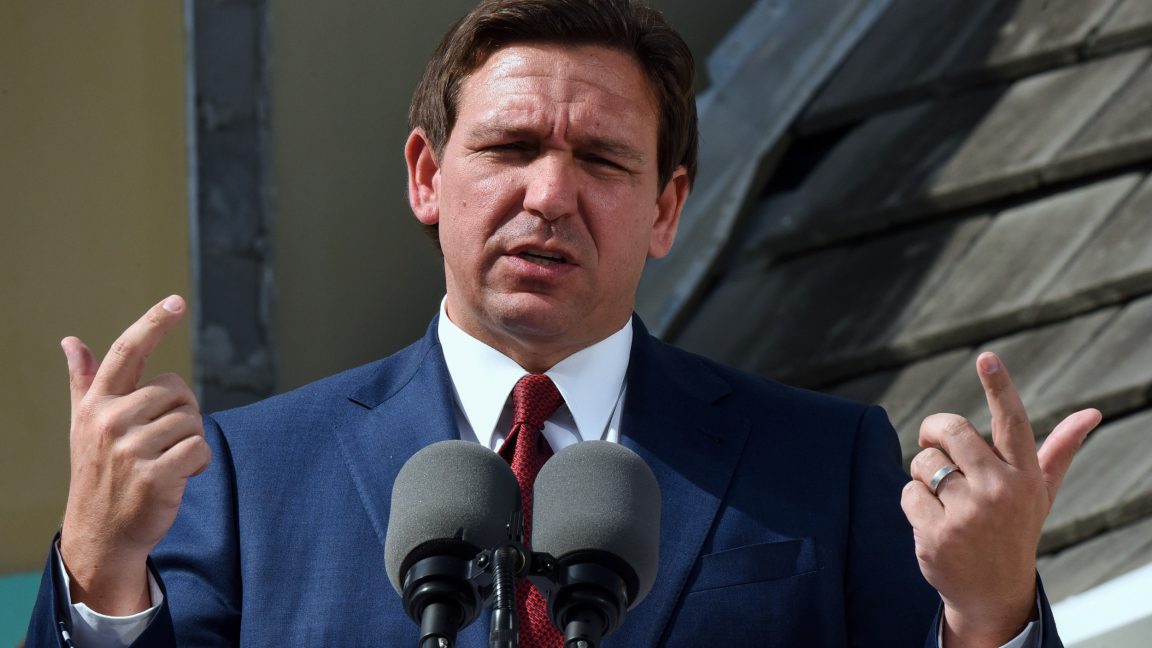
Florida Governor Ron DeSantis signed a new law, HB 1217, prohibiting local governments from setting net-zero emissions goals. The law, effective July 1, aims to protect the state's energy security and economic interests, according to proponents, while critics argue it obstructs climate action and will increase costs for residents.

✉Newsletter

PiQ Daily

Pick your topics. Get only what matters, on your cadence.

Key Numbers

10cities and counties with net-zero policies
2024year DeSantis signed a law removing 'climate change' from state code
2022year goals for clean energy were initiated after a petition
25age of petitioners calling for 100% clean energy by 2050
2050target year for net-zero emissions by some cities
288,000customers served by Orlando Utilities Commission
50percent reduction in CO2 emissions by 2030 goal for OUC
75percent reduction in CO2 emissions by 2040 goal for OUC

Who's Involved

HB 1217
new state law prohibiting local net-zero emissions goals
Ron DeSantis
Governor who signed the bill into law
Berny Jacques
Rep. who sponsored HB 1217
Bradley Marshall
Senior attorney at Earthjustice
Laura Peterson
Senior analyst at the Union for Concerned Scientists
Susan Glickman
Vice president for policy and partnerships at The CLEO Institute
Orlando Utilities Commission (OUC)
Municipal utility with net-zero commitment
Florida bans local governments from pursuing net-zero emissions goals

↳ Why This Matters

The new Florida law restricts local governments' ability to address climate change, potentially hindering efforts to reduce emissions and adapt to climate impacts, while critics argue it prioritizes fossil fuel industry interests over constituent well-being and economic stability.

Key facts

  • Florida has enacted HB 1217, prohibiting local governments from setting net-zero emissions goals.
  • The law, signed by Governor Ron DeSantis on April 22, takes effect July 1.
  • Proponents claim the law protects energy security and economic interests by eliminating "Green New Deal" policies.
  • Critics contend the law obstructs climate action and will lead to higher costs for residents.
  • Local governments are required to submit annual compliance affidavits to the state Department of Revenue.
  • The law also restricts local governments from purchasing items based on fuel use or production and from participating in carbon-trading programs.

Florida Governor Ron DeSantis has signed into law HB 1217, a measure that prohibits local governments from pursuing net-zero emissions goals. The bill, which takes effect July 1, also bans carbon taxes, assessments, and emission trading programs, stating they are detrimental to the state's energy security and economic interests. Proponents, like Rep. Berny Jacques, argue the law protects residents and businesses from additional costs associated with "Green New Deal" policies.

At least 10 cities and counties in Florida had previously implemented net-zero policies, including Fort Lauderdale, Miami, Orlando, and Leon County. While the exact impact of the new law on these existing policies is subject to debate, advocates like Bradley Marshall of Earthjustice suggest the intent is to deter further local climate action. The law requires local governments to submit annual affidavits to the state Department of Revenue to verify compliance.

This legislation is part of a broader trend in Florida, where Governor DeSantis previously signed a law in 2024 removing references to "climate change" from state code and restructuring the state's energy policy around fossil fuels and infrastructure resilience. Critics, such as Laura Peterson of the Union for Concerned Scientists, view HB 1217 as an effort to obstruct accountability for the fossil fuel industry's contribution to climate change, potentially at the expense of constituents.

Beyond setting net-zero goals, HB 1217 also restricts local governments from purchasing items based on their fuel use or production, participating in carbon-trading programs, or using public funds to support organizations with net-zero policies. Cities and counties are also barred from imposing taxes or fees tied to carbon emissions.

Municipal utility Orlando Utilities Commission (OUC), which serves over 288,000 customers and had committed to net-zero emissions by 2050, stated it is aware of the legislation and remains focused on delivering reliable energy while reducing CO2 emissions. OUC has set goals for a 50% reduction by 2030 and a 75% reduction by 2040. Other entities like Boca Raton, Fort Lauderdale, and Miami-Dade County also had net-zero goals. However, Leon County has rescinded a climate emergency resolution and rolled back plans to phase out fossil fuel vehicles in response to the new law.

Advocacy groups express concern that the law will have a chilling effect on other local clean energy initiatives and could lead to increased costs for Floridians already facing rising expenses for housing, groceries, and insurance.

Frequently asked questions

HB 1217 prohibits local governments in Florida from adopting net-zero emissions goals, carbon taxes, assessments, emission trading programs, and from purchasing items based on fuel use or production.

The law takes effect on July 1.

Proponents, including Rep. Berny Jacques, state the bill protects residents and businesses from additional costs by eliminating "Green New Deal" policies and is intended to safeguard the state's energy security and economic interests.

Critics argue the law is influenced by the fossil fuel industry, obstructs accountability for climate change contributions, and will lead to higher energy costs for Floridians already facing economic pressures.

What Happens Next

01The law HB 1217 will take effect on July 1.
02Local governments will need to submit annual compliance affidavits to the state Department of Revenue.
03The exact impact and interpretation of the law on existing local policies will likely be debated and potentially litigated.

Get the newsletter.

Pick the topics you actually care about. We'll email when there's news worth your time, on the cadence you choose. Cancel any time from your account.

Cadence

How It Developed

Florida Governor Ron DeSantis signed HB 1217 into law on April 22.
The law prohibits local governments from pursuing net-zero emissions goals, carbon taxes, and emission trading programs.
HB 1217 states these policies are detrimental to the state's energy security and economic interests.
The measure requires local governments to submit annual affidavits to the Department of Revenue verifying compliance.
The law takes effect on July 1.
Some cities and counties with existing net-zero policies may be impacted, though exact prohibitions are subject to debate.
The law also prevents local governments from purchasing items based on fuel use or production and from supporting organizations with net-zero policies.
Critics argue the law is a coordinated effort by the fossil fuel industry to obstruct accountability and will increase costs for residents.

Sources

T1
Florida bans local governments from pursuing net-zero emissions goalsArs Technica

Related Stories

DeSantis signs Live Local 4.0 housing reform into Florida law
29 Jun · 9:05 PM
Arkansas to proceed with SNAP ban on candy and soda
29 Jun · 11:05 PM
Proxy advisers win third legal battle against Republican-backed 'anti-ESG' rules
29 Jun · 5:56 PM
Senator asks regulator to reject NextEra-Dominion power deal
29 Jun · 9:56 PM
Newsom signs $352B California budget, touts policy achievements
30 Jun · 3:40 AM