Key facts
- The European Commission will propose limits on children's social media access after the summer.
- Commission President Ursula von der Leyen stated the goal is to protect children's time in the real world.
- The EU has previously found Meta's Instagram and Facebook in breach of the Digital Services Act for failing to keep under-13s off their platforms.
- Several countries, including Australia, France, Spain, Portugal, Germany, and Norway, have introduced or are planning similar restrictions for minors.
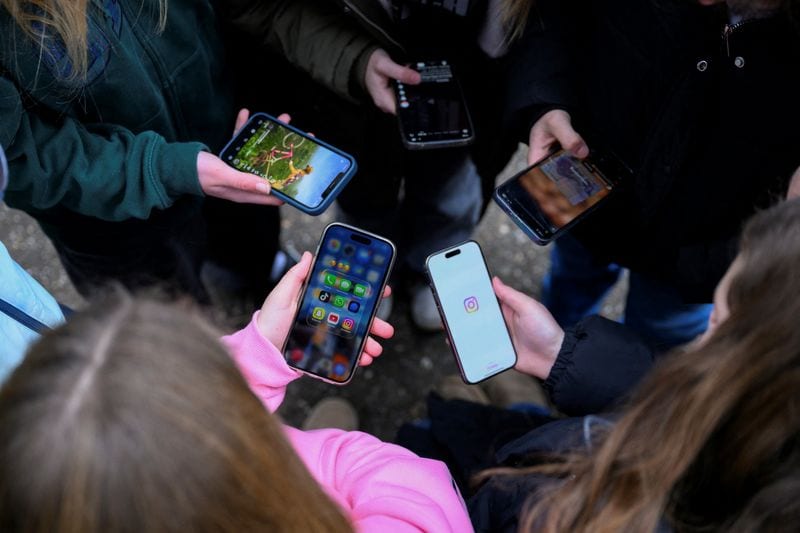
The European Commission is set to propose new legislation aimed at limiting children's access to social media platforms, according to Commission President Ursula von der Leyen. The proposal, expected after the summer, seeks to ensure children have more time for real-world activities and personal development, rather than being shaped by algorithms.
Von der Leyen articulated the initiative by stating, "Our children need time in the real world. Time to play, time to build friendships, time to make mistakes. Time to shape their own identity, their own personality, before an algorithm shapes them instead." She further questioned the dynamic, asking, "This is not about whether children can access social media. It is about whether and when social media can access our children."
This move by the EU follows similar actions and proposals in various countries. Australia has already implemented a ban for under-16s, while France plans to ban social media for under-15s by September. Spain is considering a ban for under-16s, Portugal requires parental consent for users aged 13-16, and Germany is contemplating a ban for under-14s with restrictions up to 16. Norway aims for a strict ban for under-16s by the end of 2026.
The European Commission, acting as the EU's digital watchdog, has previously investigated major social media platforms. In a recent finding, Meta's Instagram and Facebook were found to have breached the Digital Services Act for failing to prevent users under 13 from accessing their platforms. The EU also threatened fines against TikTok for its "addictive design."
The EU's efforts to regulate social media companies have drawn criticism from the Trump administration in the United States, which accused the Commission of targeting and censoring U.S. firms. This has led to diplomatic tensions, with some European figures reportedly being barred from entering the U.S.