Key facts
- The latest draft of the Clarity Act includes a provision to ban public officials and their spouses from issuing or sponsoring cryptocurrency while in office.
- This ban is temporary, set to expire on January 20, 2029.
- Enforcement of the provision would be the responsibility of the Justice Department.
- The bill preserves a safe harbor for non-custodial software developers.
- The draft also limits the ability of stablecoin issuers and providers to offer rewards solely on stablecoin balances.
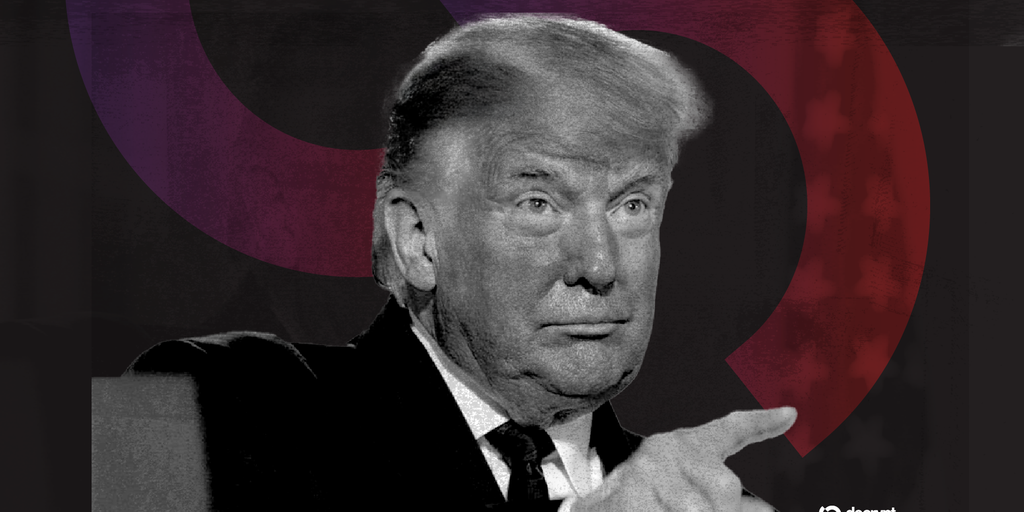
The latest draft of the Clarity Act, circulating in the U.S. Senate, includes a contentious ethics provision aimed at restricting public officials and their families from engaging in cryptocurrency business activities. This provision would bar officials and their spouses from issuing or sponsoring digital assets while in office, though it allows for investment in crypto. Notably, the restrictions do not extend to the children of public officials and are set to expire on January 20, 2029, with enforcement left to the Justice Department. This temporary nature and limited scope are likely to face opposition from Democrats, particularly given President Donald Trump's reported earnings of over $1.2 billion from crypto ventures last year.
The bill also preserves the Blockchain Regulatory Certainty Act, which provides a safe harbor for non-custodial software developers, clarifying they are not considered 'money transmitters.' This measure is considered crucial by much of the crypto industry for legal certainty. However, it has drawn criticism from law enforcement groups and religious leaders concerned about potential weakening of safeguards against illicit activities.
Another point of contention, the treatment of stablecoin yield, remains unchanged, limiting rewards offered solely on stablecoin balances. Senate Majority Leader John Thune plans to bring the bill to the floor for action soon, with the first week of August seen as a critical window before the November midterms.