Key facts
- Chemical accidents involving releases of dangerous substances increased by 57% between 2021 and 2025.
- Injuries or deaths from these accidents rose from 60 to 89 over the same five-year period.
- The Trump administration has proposed weakening the EPA's Risk Management Program (RMP) rules.
- Many refineries and facilities using hazardous chemicals are located near population centers, with close to 150 million people living within 3 miles.
- Aging infrastructure is cited as a factor increasing the risk of chemical accidents.
Chemical accidents involving dangerous releases have increased significantly in recent years, with a 57% rise between 2021 and 2025, according to an analysis by Public Employees for Environmental Responsibility (PEER). Injuries and deaths from these incidents have also climbed. This trend occurs as the Trump administration proposes to weaken safety regulations for facilities handling hazardous materials, a move criticized by environmental groups.
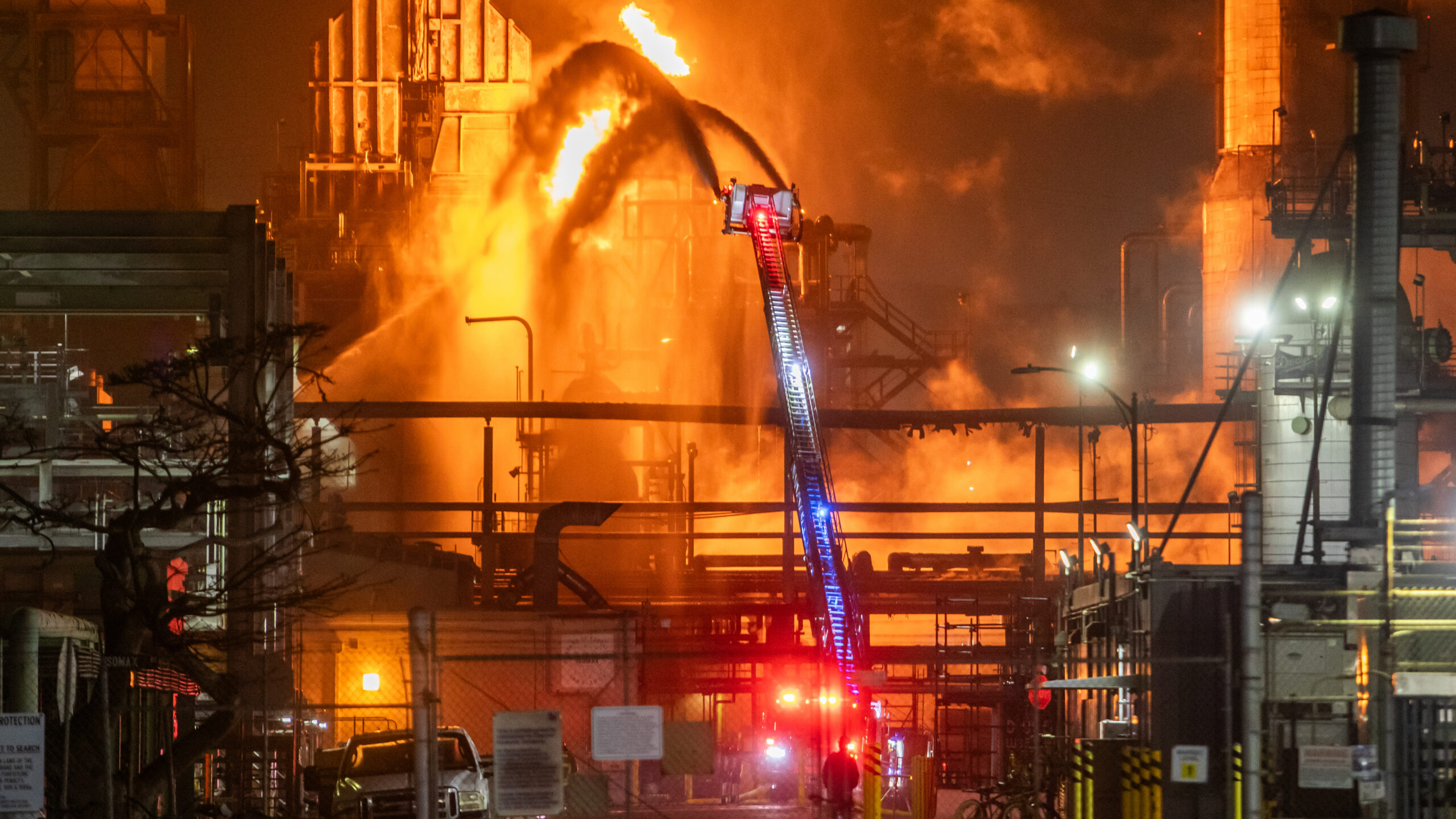
PEER's analysis, based on incident reports, shows that over 650 accidents have occurred between April 2020 and May 2026, leading to fatalities, injuries, and substantial property damage. Many of these facilities, particularly refineries, were built before 1985, and aging infrastructure is contributing to increased risk. Historically underserved communities, often Black and Latino populations, are disproportionately exposed to these dangers due to their proximity to these industrial sites.
Physicist Ronald Koopman's past experiments highlighted the severe risks associated with chemicals like hydrofluoric acid (HF), which can travel miles in a toxic mist. Despite past incidents, including a major explosion at a Philadelphia refinery in 2019 that released thousands of pounds of HF, efforts to ban or phase out the chemical have been unsuccessful. Close to 50 refineries use HF and have reported numerous accidents over the past 25 years.
The proposed weakening of the EPA's Risk Management Program (RMP) rules by the Trump administration aims to reduce regulatory burdens. However, environmental advocates argue this will exacerbate risks, especially given the aging infrastructure and the proximity of these facilities to communities. The EPA spokesperson stated that their analysis shows a decline in accidental releases, but PEER disputes this, questioning the data's validity and the agency's conclusions.
Meanwhile, chemical accidents continue to occur frequently, and critics argue that the federal response to these risks is diminishing.