All NewsEducationTV
Equities & FundsCrypto & Digital AssetsAI & TechnologyBusiness & CorporateUS Politics & PolicyGeopolitics & Global RiskMacro, Rates & FXCommodities & EnergyEuropean Politics & MarketsAsia-PacificReal Estate & Property
Story archiveAll categories
← All Stories

Cabinet Approves Revision Stripping Prosecutors of Investigative Authority

Created at 4 Aug · 6:06 AM1 source↑ Market-relevant
IN SHORT

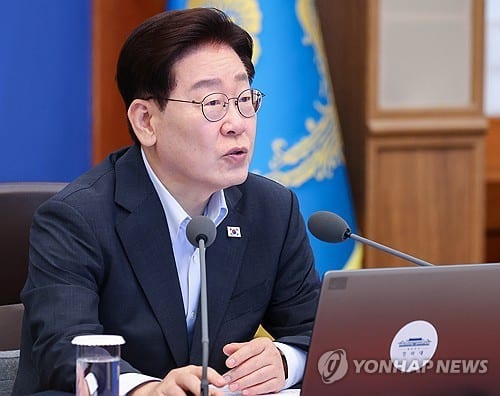
South Korea's Cabinet approved a legal revision that removes prosecutors' direct investigative powers, transferring them to the police. President Lee Jae Myung hailed the move as "the beginning of judicial normalization."

✉Newsletter

PiQ Daily

Pick your topics. Get only what matters, on your cadence.

Key Numbers

2 monthstime for police to complete requested investigations
40 Crecord high temperatures reported

Who's Involved

Lee Jae Myung
President of South Korea, presided over Cabinet meeting
People Power Party (PPP)
Main opposition party that boycotted the vote
Cabinet Approves Revision Stripping Prosecutors of Investigative Authority

↳ Why This Matters

This significant shift in power between the prosecution and police fundamentally alters South Korea's criminal justice system, potentially impacting the balance of power and the effectiveness of investigations and prosecutions.

Key facts

  • The Cabinet approved a revision to the Criminal Procedure Act, removing prosecutors' direct investigative powers.
  • Investigative authority will now reside solely with the police.
  • Prosecutors can request the police to conduct supplementary investigations, which must be completed within two months.
  • President Lee Jae Myung defended the revision as "the beginning of judicial normalization."
  • The opposition People Power Party (PPP) boycotted the vote and called for a presidential veto.

The South Korean Cabinet has approved a significant legal revision that strips prosecutors of their direct investigative authority, transferring these powers exclusively to the police. President Lee Jae Myung, who presided over the Cabinet meeting, lauded the change as "the beginning of judicial normalization" and "the starting point for normalizing the abnormal criminal justice system." The revision to the Criminal Procedure Act, which passed the National Assembly last week with a boycott from the main opposition People Power Party (PPP), limits prosecutors to indicting and requesting supplementary investigations, which the police will then be tasked with completing within a two-month timeframe.

Despite calls from the PPP to veto the bill, President Lee argued that the revision does not pose a risk to the constitutional order or the separation of powers. He asserted that prosecutors have historically wielded "excessive" authority, sometimes leading to abuses of power. However, Lee also acknowledged potential unintended consequences of shifting investigative powers solely to the police and instructed officials to develop complementary systems to ensure transparency and capability in police investigations. He emphasized that prosecutors should focus on their role as defenders of public interest and human rights, while the police must enhance their internal integrity and victim protection measures.

In addition to the legal reform, President Lee also addressed the ongoing severe heat wave affecting South Korea. He declared the situation a state disaster and urged utmost efforts to protect citizens' lives, particularly focusing on vulnerable populations and outdoor workers. Measures to ensure workers' rights to suspend work due to excessive heat and to expand access to cooling centers were also ordered.

Frequently asked questions

The revision abolishes prosecutors' authority to conduct direct investigations, transferring this power exclusively to the police.

Prosecutors will focus on indictments and can request the police to conduct supplementary investigations.

The main opposition People Power Party (PPP) boycotted the National Assembly vote and urged President Lee to veto the bill, arguing it would benefit criminals.

President Lee also ordered measures to protect people's lives amid an unprecedented heat wave, declaring it a state disaster.

What Happens Next

01Officials to devise complementary systems for police investigations.
02Thorough oversight of the new system's implementation.
03Prompt addressing of any detected shortcomings in the new system.

Get the newsletter.

Pick the topics you actually care about. We'll email when there's news worth your time, on the cadence you choose. Cancel any time from your account.

Cadence

How It Developed

The Cabinet approved a legal revision abolishing prosecutors' direct investigative authority.
President Lee Jae Myung called the revision "the beginning of judicial normalization."
The revision transfers investigative authority solely to the police.
Prosecutors can request police to conduct supplementary investigations within two months.
The main opposition People Power Party (PPP) boycotted the National Assembly vote and urged a presidential veto.
President Lee stated the revision does not warrant a presidential veto.
Lee asserted prosecutors had exercised "excessive" authority, sometimes abusing power.
Lee instructed officials to devise complementary systems to ensure police investigation transparency and capability.

Sources

T1
Cabinet approves revision scrapping prosecutors' authority to investigateYonhap News Agency

Related Stories

PPP criticizes government tax revisions for increasing property owner burden
4 Aug · 6:06 AM
Trump criticizes prosecutor for dropping Reflecting Pool vandalism case
3 Aug · 5:06 PM
Foreign Minister Cho expects new U.S. ambassador to aid bilateral issue resolution
3 Aug · 2:06 PM
Trump to meet mining CEOs amid critical minerals initiative
3 Aug · 4:28 PM
US State Department to close consulates in Canada, Japan and Indonesia, sources say
3 Aug · 10:37 PM