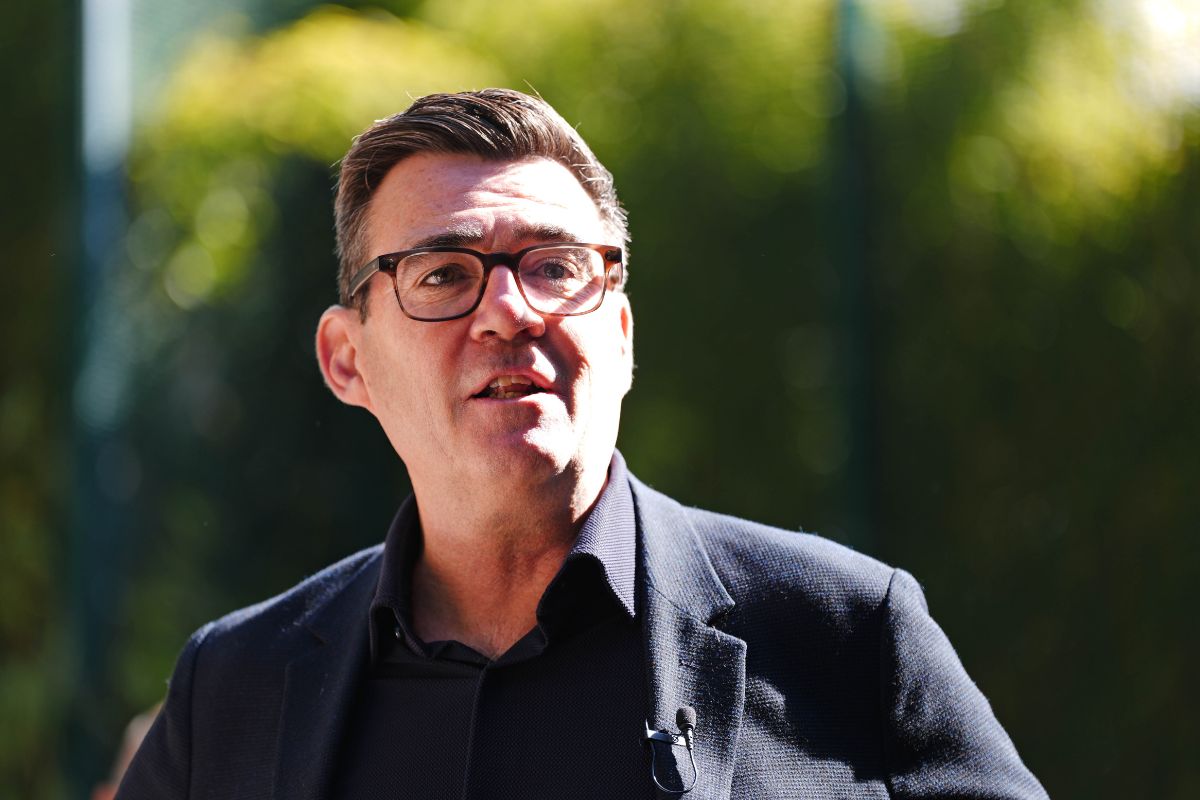
A leading hospitality trade body has formally urged Greater Manchester Mayor Andy Burnham to abandon plans to expand a "tourist tax" across the UK as part of devolution efforts. UK Hospitality (UKH) sent a letter to the Prime Minister, seen by City AM, warning that the proposed "overnight visitor levy" could result in 33,000 job losses within the country's tourism sector and impose over £1 billion in additional costs on holidaymakers.
UKH chief executive Allen Simpson stated that while he supports devolution, he opposes an additional tax that could harm employment. The levy, initially proposed by the Labour party, aims to grant regional mayors the authority to tax tourists on overnight accommodation. This proposal has faced opposition from major hospitality groups like Premier Inn owner Whitbread and pub chain Greene King.
Burnham's "Rewiring the State" devolution plan, outlined recently, suggests extending tourist tax powers to all strategic authorities in the UK. The government intends for revenues from this tax, alongside a portion of local income tax, to fund local infrastructure projects. A government spokesperson commented that local leaders are best placed to drive regional growth and attract investment.
However, UK Hospitality, which represents 130,000 businesses, has labelled the tourist levy "politically toxic." Simpson proposed an alternative "holiday bonus" scheme, where a proportion of tax revenues would be returned to local regions based on their tourist numbers, similar to the Prime Minister's plan for income tax receipts. He suggested that this approach would allow mayors to fund regional priorities while incentivizing improvements to local environments to attract more overnight stays.
Last week, a group of backbench MPs also cautioned Burnham about the potential negative consequences of the tourist tax, including reduced tourism spending, threatened investment, and job losses. The All-Party Parliamentary Group for hospitality and tourism called for a full policy review and meaningful engagement with industry leaders before the tax is implemented. Chris Webb MP, chair of the group, emphasized the need for fairness, consistency, and industry consultation if the government proceeds with the levy.