Key facts
- Incoming Prime Minister Andy Burnham plans to put Thames Water into special administration.
- This action could cost the taxpayer approximately £2 billion.
- A consortium of creditors, owed £17 billion, had proposed a rescue package.
- Thames Water has warned of running out of funds by the end of the year.
- The utility's chief executive stated the government would fund it during administration.
- Burnham advocates for public control of essential utilities.
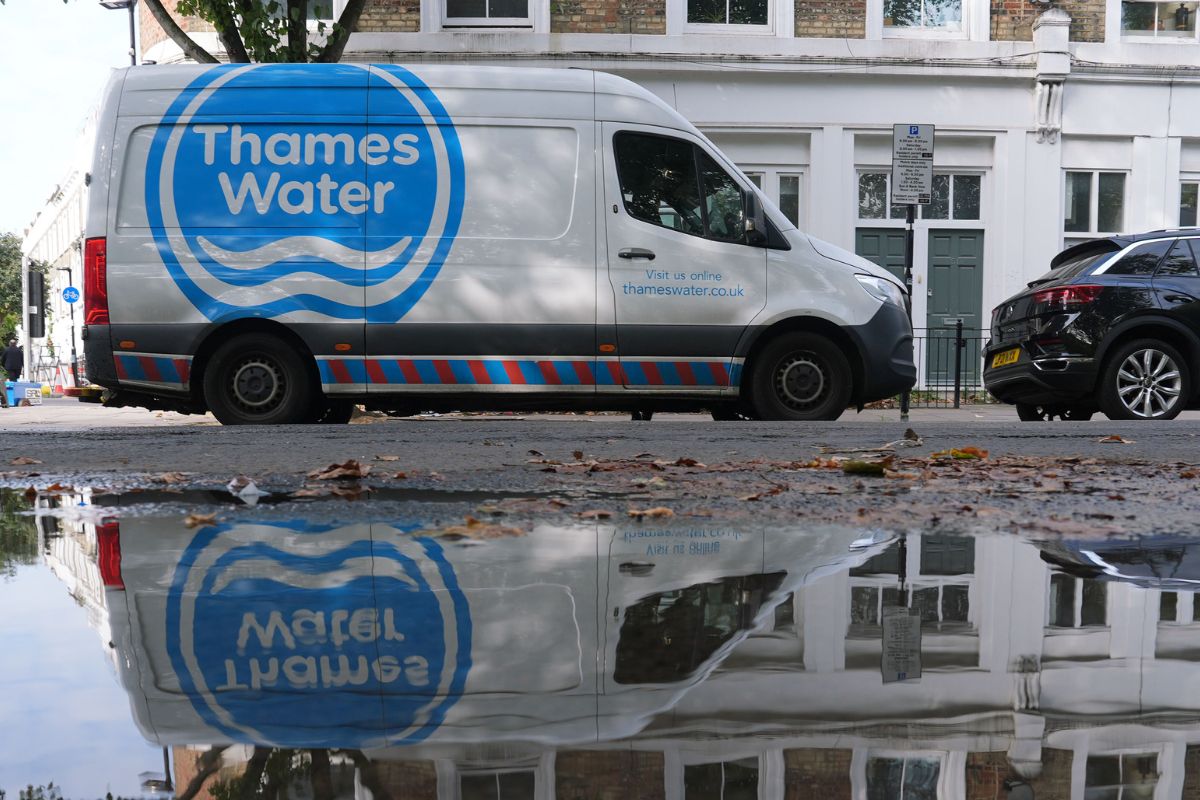
Incoming Prime Minister Andy Burnham is reportedly preparing to place the struggling utility company Thames Water into special administration, a move that could impose an estimated £2 billion cost on taxpayers. This unprecedented step suggests that Burnham's team does not foresee a viable private sector solution for the company, which is burdened by approximately £21 billion in debt.
A consortium of Thames Water's creditors, including Apollo Global Management, Elliott Management, Farallon Capital Management, and Silver Point Capital, had hoped to present a rescue proposal. This plan reportedly involved injecting £3.35 billion in fresh equity, securing £6.25 billion in new borrowing, and writing off £9.6 billion of existing debt. However, Thames Water has warned that it could run out of money by the end of the year if such a deal is not accepted and an additional £2 billion is not secured.
Chris Weston, Thames Water's chief executive, indicated that if the company enters special administration, the government would be responsible for funding its operations during that period. An ally of Burnham suggested that any taxpayer funds would necessitate government control to enable necessary reforms and ensure water supply security for customers.
Burnham, who has pledged to bring essential utilities under public control, views this as crucial for managing inflation and the broader economy. Thames Water, however, maintains that it has not breached its regulatory terms with Ofwat and has sufficient short-term funds, expressing its commitment to reaching an agreement for long-term financial stability and uninterrupted infrastructure upgrades for its 16 million customers.