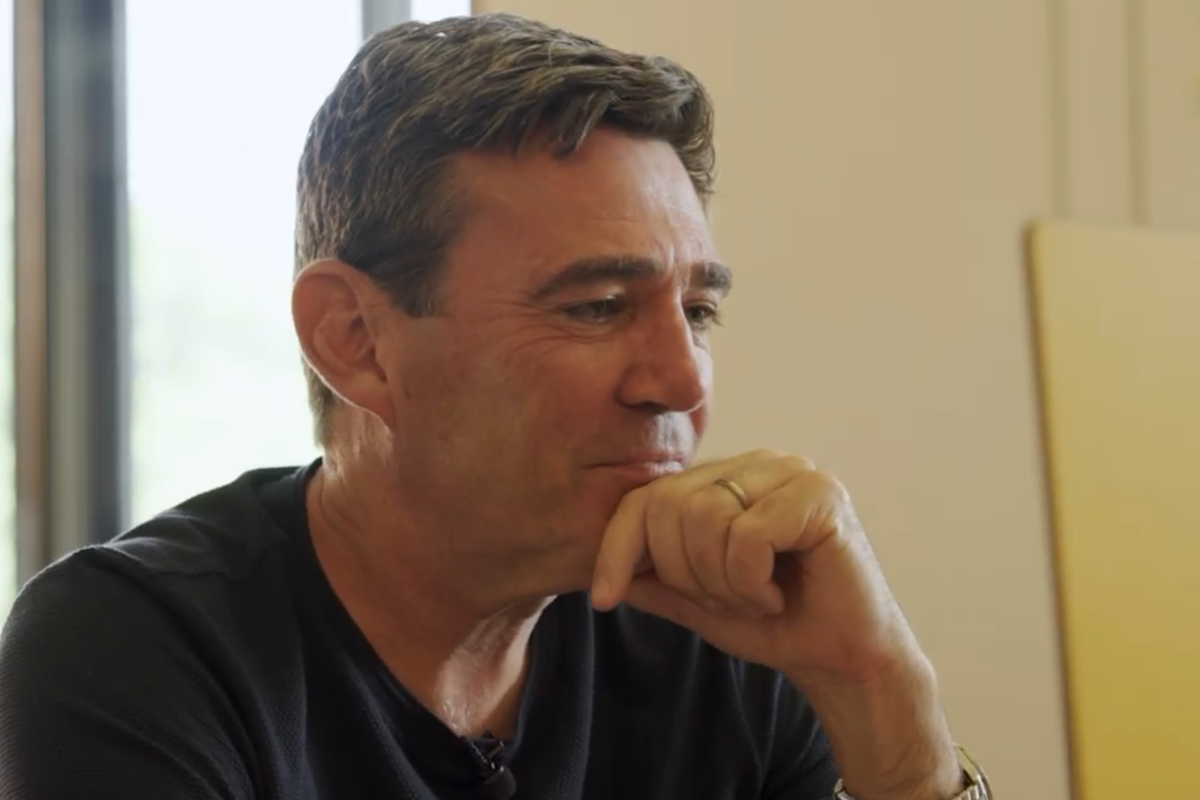
Andy Burnham, widely expected to become the next Prime Minister, has indicated a potential shift in economic policy by not ruling out the introduction of a wealth tax. In his first formal interview since his likely confirmation, Burnham emphasized the need for "greater sense of fairness" and acknowledged that difficult tax decisions lie ahead.
Burnham's openness to a wealth tax contrasts with the current Chancellor, Rachel Reeves, who has previously shied away from such a measure, questioning its efficacy. Reeves has, however, pursued other wealth-focused tax crackdowns, such as abolishing the non-dom regime and implementing a mansion tax. A move towards a blanket wealth levy would represent a significant leftward economic turn for Burnham, who has largely focused on themes like devolution since his recent byelection victory.
Concerns have been raised by tax experts and economists regarding the potential impact of a wealth tax. Dan Neidle, founder of Tax Policy Associates, warned that a tax, such as a two percent annual charge on assets exceeding £10 million, could generate "highly uncertain" revenues and deter foreign investment. Historically, countries that have implemented wealth taxes have often repealed them due to difficulties in generating substantial revenue and high implementation costs, with some experiencing an exodus of wealthy individuals.
Despite these warnings, proponents of a wealth tax argue it is a necessary measure to address the significant concentration of wealth and the disparity between asset price booms and stagnant worker incomes, particularly following a decade of low interest rates. Burnham, in an interview with Gary Lineker, stated his belief in the need for fairness but also expressed a desire to avoid demonizing any group or creating division.