Key facts
- Prime Minister Andy Burnham acknowledged awareness of John Healey's demand for at least £9 billion more annually on defence.
Prime Minister Andy Burnham acknowledged awareness of John Healey's call for an additional £9 billion annually for defence spending upon appointing him Chancellor. Burnham committed to NATO partner promises but declined to immediately commit to higher spending.
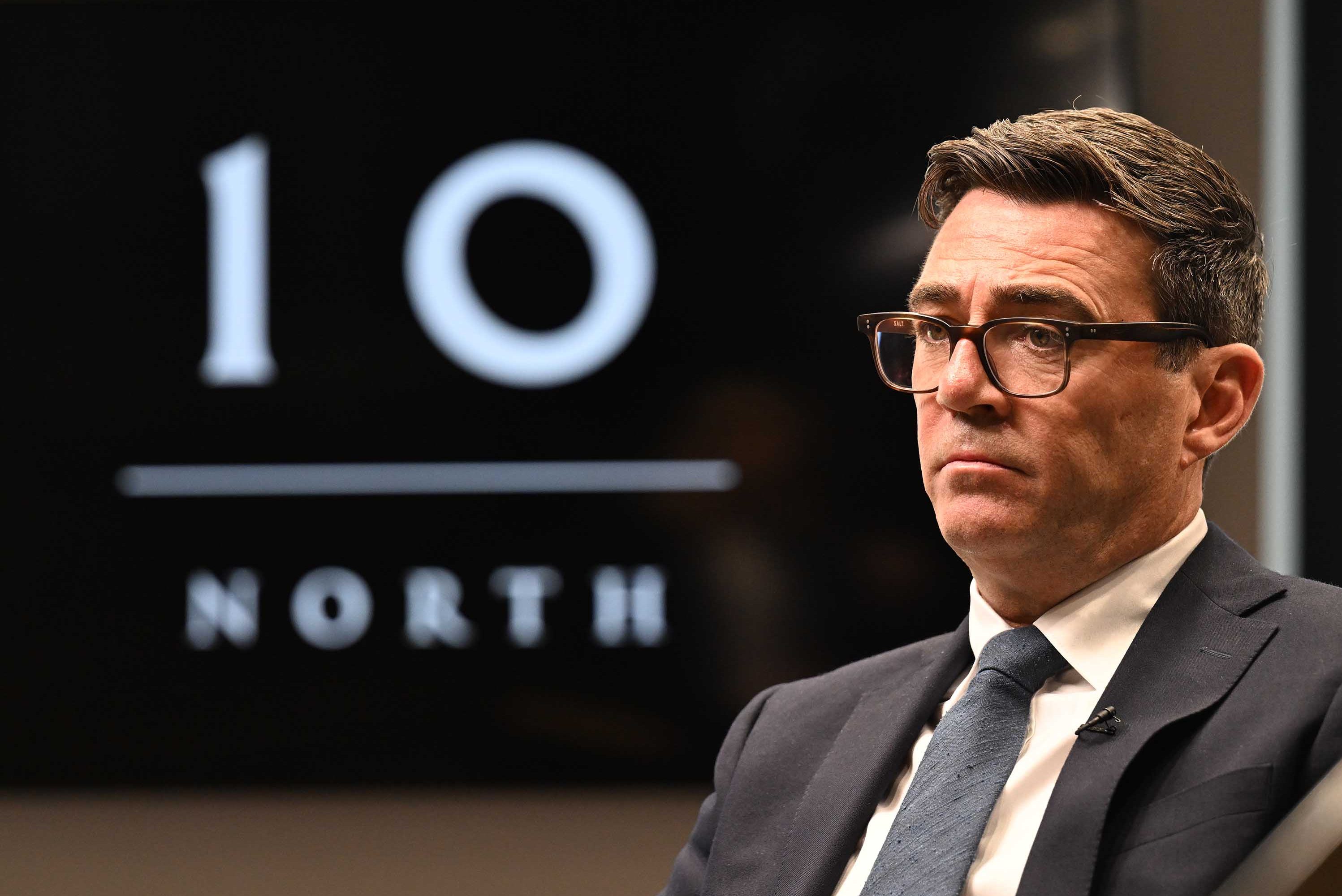
The exchange highlights internal government tensions over defence spending priorities and the fiscal challenges facing the new administration, potentially impacting national security commitments and public finances.
Prime Minister Andy Burnham has acknowledged being "very aware" of his new Chancellor John Healey's demand for at least an additional £9 billion annually to be spent on defence. Healey had resigned from the government over its perceived unwillingness and inability to provide substantial funding for the Defence Investment Plan (Dip), specifically criticizing the failure to commit to raising defence spending to three percent of GDP by 2030.
Burnham, in an interview with the BBC, stated his commitment to the promises made to NATO partners but declined to commit to immediate higher spending. He also faces other significant fiscal challenges, including funding a doctors' pay settlement and addressing a £4.7 billion shortfall in the Dip over four years. The upcoming budget is expected to be difficult due to energy price shocks, rising bond yields, and potential impacts on economic growth.
Further announcements are anticipated regarding devolution and social care, with speculation of free social care at the point of use costing an estimated £18.5 billion annually. The Prime Minister also ruled out calling an early general election, stating that the public does not desire one.