Key facts
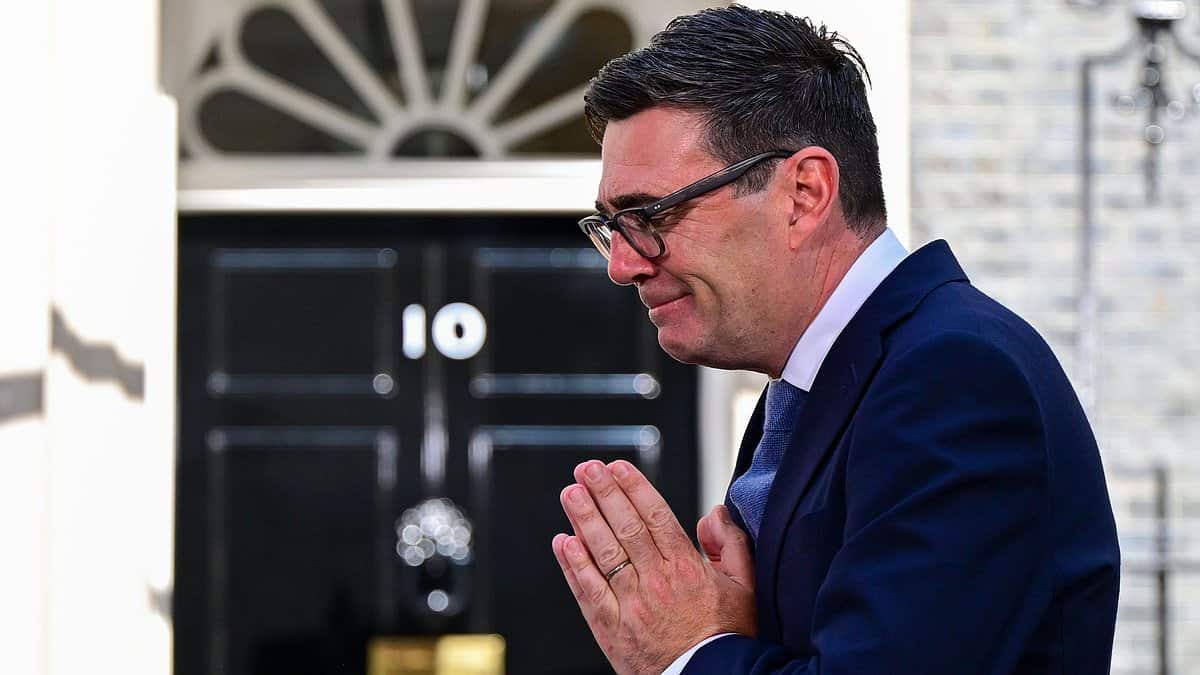
- Andy Burnham has been appointed Prime Minister.
- Burnham initiated a purge of Keir Starmer's allies.
- John Healey was appointed Chancellor and Ed Miliband became Foreign Secretary.
- Plans include measures to ease the cost of living, such as energy bill cuts and rent controls.
- Concerns exist about potential tax increases to fund government initiatives.
Andy Burnham has been appointed Prime Minister, signaling a significant shift towards a left-wing government, potentially the most left-wing since the 1970s. Upon taking office, Burnham initiated a purge of allies associated with former leader Keir Starmer, including Rachel Reeves and David Lammy. John Healey has been appointed Chancellor, and Ed Miliband will serve as Foreign Secretary. Angela Rayner has been reappointed as Housing Secretary.
Burnham is expected to unveil immediate plans to address the cost of living, with measures such as cuts to energy bills, a £2 cap on bus fares, and rent controls reportedly being considered. These initiatives are intended to make an immediate impact on a skeptical public. However, the funding for these measures has raised concerns, with fears that taxes on the middle classes may be increased. Burnham has stated his ambition to 'bring back hope' and introduce 'the biggest changes in the last 40 years' through a new political and economic model.
Critics have voiced strong opposition to Burnham's agenda. Kemi Badenoch described Labour's approach as a 'reckless experiment' that would 'inevitably run aground,' urging a focus on welfare cuts rather than tax hikes. Nigel Farage has called for an immediate general election, deeming Burnham's ascent to power 'deeply troubling.'
Other appointments include Wes Streeting as Defence Secretary and Lisa Nandy retaining her role as Culture Secretary. Yvette Cooper has been moved to Health Secretary, and Shabana Mahmood remains Home Secretary. Louise Haigh has been appointed Chancellor of the Duchy of Lancaster.