Key facts
- Brazil's government has rejected proposed U.S. tariffs linked to forced labor, calling them "arbitrary" and "unjustified."
Brazil's government has rejected proposed U.S. tariffs linked to forced labor, labeling them "completely arbitrary" and "unjustified." The tariffs, which could reach 12.5%, are part of a broader Section 301 investigation by the U.S. Trade Representative into 60 economies.
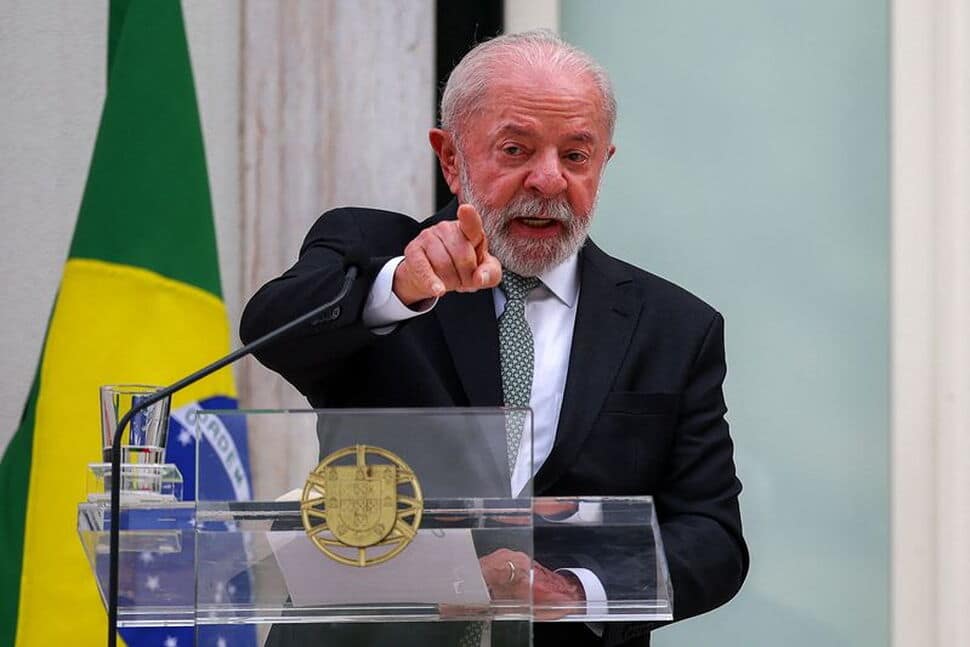
The dispute highlights ongoing tensions between the U.S. and Brazil over trade policy and labor practices, potentially impacting bilateral trade relations and setting precedents for international trade disputes.
The Brazilian government has strongly rejected proposed tariffs by the United States, deeming them "completely arbitrary" and "unjustified." The U.S. Trade Representative (USTR) announced the potential tariffs, which could reach 12.5% on Brazilian imports, as part of a Section 301 investigation into 60 economies for allegedly failing to curb trade in goods produced by forced labor.
Brazil disputes the U.S. findings, asserting that the move distorts the issue of worker protection to justify unilateral, protectionist measures. The U.S. investigation, initiated in July 2025, also cited concerns regarding Brazil's practices in digital trade, intellectual property protection, anti-corruption enforcement, ethanol market access, and illegal deforestation.
In response to the proposed tariffs, Brazil's government stated it would immediately begin procedures under its "Reciprocity Law" and escalate the matter to the World Trade Organization's dispute settlement mechanism. President Luiz Inácio Lula da Silva characterized the tariffs as politically motivated.