Key facts
- Armenia's Prime Minister Nikol Pashinyan is putting Catholicos Karekin II and six senior clerics on trial.
- The charges stem from allegedly disobeying a state order to reinstate a defrocked bishop.
- Pashinyan has accused the church leader of links to foreign spies, specifically Russia.
- The trial is viewed as a significant legal challenge to the Armenian Apostolic Church's leadership.
- Critics argue the case violates the constitutional independence of the church and is politically motivated.
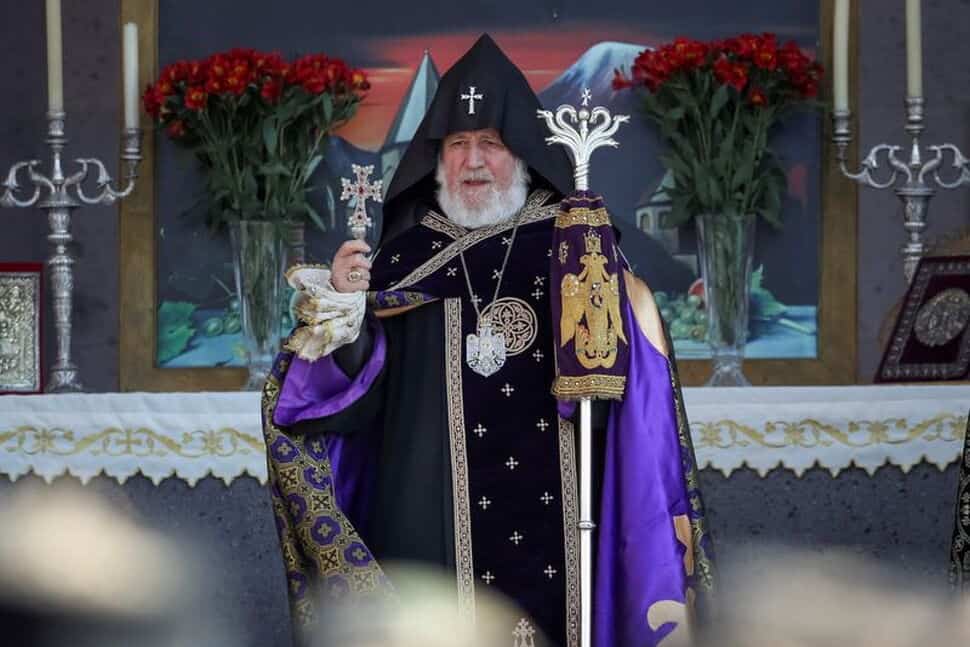
Armenia is set to put the head of its ancient Apostolic Church, Catholicos Karekin II, and six senior clerics on trial on Friday for allegedly disobeying a state order. This legal action marks the latest development in a widening confrontation between Prime Minister Nikol Pashinyan's government and the influential church. Pashinyan has repeatedly called for Karekin II's resignation, accusing the church leader and the institution of acting as proxies for foreign powers, particularly Russia, without providing evidence. The church and Karekin II deny these allegations.
The trial, scheduled to begin at the Armavir Regional Court in Vagharshapat, centers on the defendants' alleged failure to comply with a civil court order to reinstate Bishop Gevorg Saroyan. Saroyan was defrocked by the Church in January, reportedly for abusing his authority, and has publicly supported Pashinyan and called for Karekin II's resignation. If convicted, the seven defendants face up to two years in prison.
This case represents a significant legal challenge to the Armenian Apostolic Church, which is deeply intertwined with the nation's history and identity, tracing its adoption of Christianity to 301 AD. The standoff occurs amid Pashinyan's efforts to steer Armenia closer to the West and away from Russia's influence, a policy that has strained relations with Moscow. Opposition figures, church leaders, and civil society groups have voiced concerns that the prosecution is politically motivated and constitutes interference in church affairs, potentially violating the church's constitutional independence. Lawyers like Anna Melikyan from Protection of Rights Without Borders have highlighted worries about judicial independence in Armenia, especially in politically sensitive cases.
Karekin II has led the Church since 1999 and has been a vocal critic of Pashinyan's policies, particularly his handling of peace talks with Azerbaijan following recent conflicts. Pashinyan has previously made personal accusations against Karekin II. Analysts, such as Tigran Grigoryan of the Regional Centre for Democracy and Security, suggest the government views the Church as a political threat that could support opposition movements, and that the case aligns with a broader pattern of selective justice against government critics.