Key facts
- Andy Burnham would defeat Nigel Farage by 14 percentage points in a head-to-head contest, according to a More in Common poll.
- Burnham's hypothetical performance against Farage is about 10 points stronger than Keir Starmer's.
- Nigel Farage has criticized Andy Burnham's plans for increased devolution, questioning their impact on improving lives.
- Burnham has proposed a "biggest transfer of power out of Whitehall in modern times" to regional mayors.
- Burnham is expected to win the Makerfield by-election, a constituency considered a key target for Reform UK.
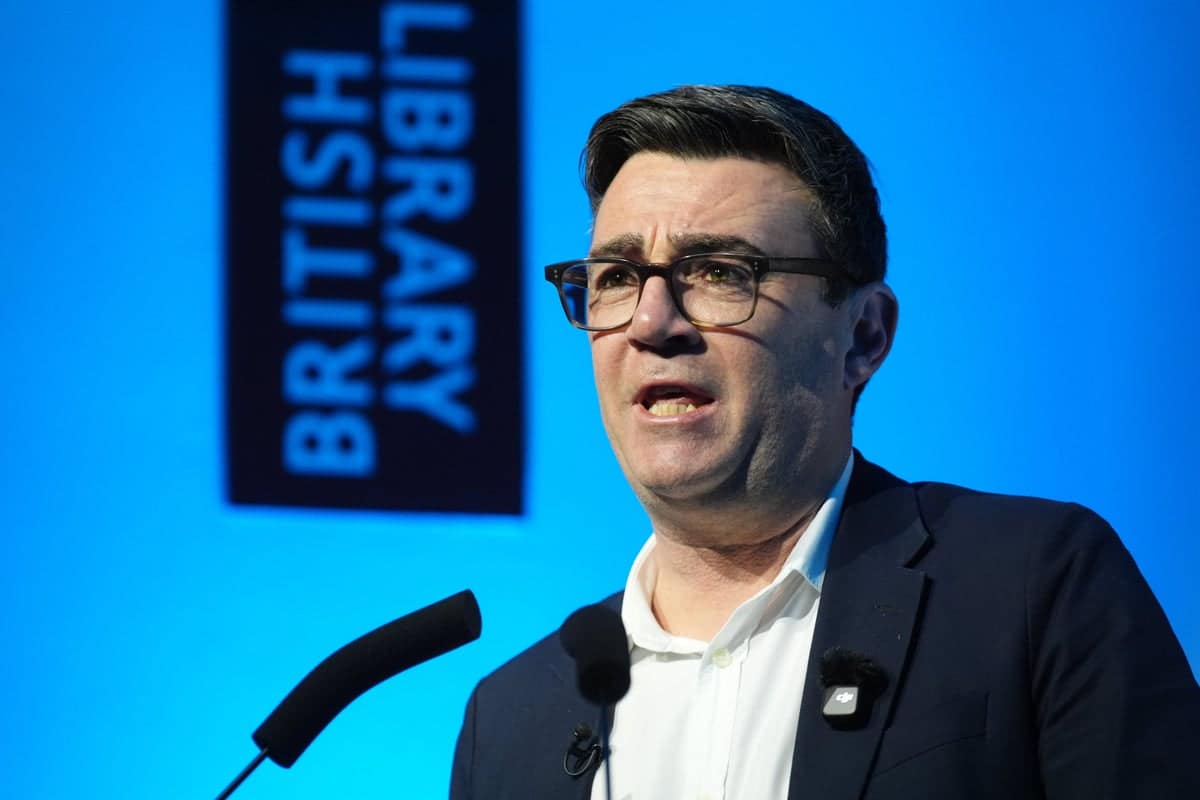
Greater Manchester mayor Andy Burnham is polling significantly ahead of Reform UK leader Nigel Farage in a hypothetical head-to-head contest, according to new data from More in Common. The poll suggests Burnham would defeat Farage by 14 percentage points.
Burnham's projected performance is also noted as being approximately 10 points stronger than that of Labour leader Keir Starmer when matched against Farage. These figures are likely to be used by Burnham's supporters to argue for his effectiveness as a leader against the rising Reform UK party.
However, the path for Burnham to potentially challenge for the Labour leadership involves winning the upcoming Makerfield by-election, a constituency with a strong pro-Brexit sentiment and a key target for Reform UK. More in Common has cautioned that internal Labour disputes regarding potential EU rejoining could negatively impact Burnham's prospects in Makerfield, despite his personal popularity.
Meanwhile, Nigel Farage has publicly criticized Andy Burnham's proposals to enhance devolution, questioning the tangible benefits of such power transfers. Farage specifically challenged whether devolution had improved outcomes in areas like London, Wales, or Scotland, citing concerns about safety, healthcare, education, and political integrity. He argued that devolution would not solve pressing national issues such as small boat crossings or the national debt, and suggested that the country does not have the 10 years Burnham proposes for economic recovery.
Burnham, speaking at the People's History Museum, outlined a vision to "rewire Britain" by transferring substantial powers from central government to regional mayors, aiming to foster growth from the "bottom up" and address what he described as a "broken" Westminster system since the 2008 financial crash. He has been accused of potentially ceding too much authority to trade unions as part of his broader agenda.