Andy Burnham's appointment as Secretary of State for Digital, Culture, Media and Sport signals increased government engagement with the sports sector. His ally, Lisa Nandy, remains at DCMS, overseeing key areas like the Independent Football Regulator and BBC Charter.

The new leadership at DCMS, particularly Andy Burnham's known interest in sports and willingness for state intervention, signals a potential shift in how the UK government engages with and regulates the sports industry, impacting everything from broadcasting rights to gambling sponsorships.
Andy Burnham's appointment as the new Secretary of State for Digital, Culture, Media and Sport (DCMS) is expected to bring increased government focus and engagement with the sports sector. Burnham, a self-proclaimed sports enthusiast, has a history of advocating for state intervention to address perceived market issues in sports.
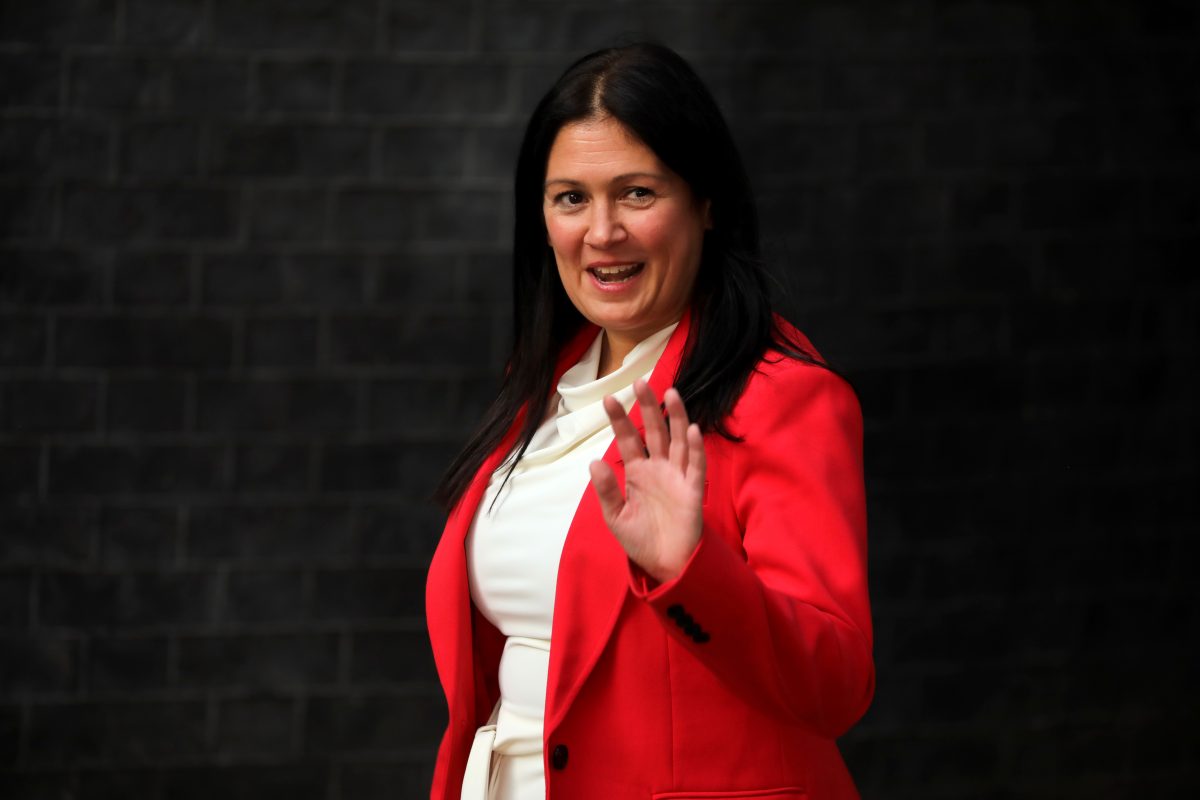
His long-term ally, Lisa Nandy, will remain at DCMS, continuing to oversee the digital brief. While some industry figures suggested Nandy might seek a more senior role, she will now serve under Burnham, managing significant responsibilities including the Independent Football Regulator, oversight of the BBC Charter, and substantial arts and sports funding.
Burnham's philosophy suggests a greater likelihood of state intervention compared to his predecessors. He was a signatory to the 'Saving Our Beautiful Game' manifesto in 2020, which called for an independent football regulator due to the perceived failure of self-regulation. This aligns with the government's recent launch of a consultation that could lead to a ban on unlicensed betting brands sponsoring football clubs.
Industry experts note that such a ban could impact sponsorship income for clubs and rights holders, with policymakers seeking to understand the scale of this financial risk. Success will hinge on the government's ability to close perceived loopholes without creating a significant funding gap for sports organizations.
Burnham has also publicly voiced concerns about sports becoming inaccessible due to commercial pressures, particularly referencing cricket. Having previously reviewed the listed events regime, he may revisit the subject of free-to-air sports and broadcasting reforms. His stance on gambling has also hardened, having implemented the Gambling Act in 2005 and later highlighting its effects on mental and physical health, advocating for stronger local powers to limit betting shops.