Key facts
- 80% of Americans polled plan to celebrate the Fourth of July.
- 57% view the holiday primarily as a day for rest or spending time with friends and family.
- 48% plan to attend a cookout, and 16% will prepare red, white, and blue themed food.
- 34% intend to watch fireworks, while 18% plan to set off their own.
- 41% will display an American flag or bunting, with higher participation among Republicans.
- 38% of respondents doubt America will exist as a single country in 250 years.
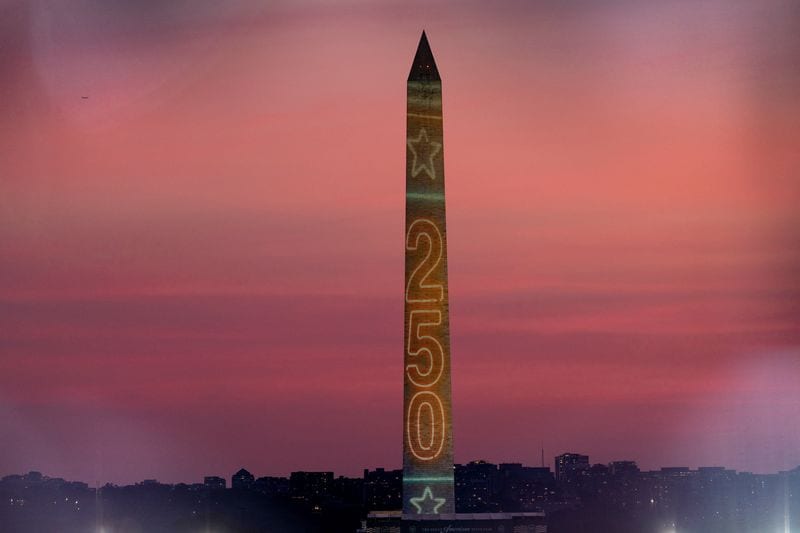
As the United States approaches its 250th anniversary, a significant portion of Americans view the upcoming July 4th holiday primarily as a day for rest and relaxation rather than a deeply significant national celebration. A recent Reuters/Ipsos poll indicates that while most citizens plan to mark the occasion, their activities range from attending parades and cookouts to simply spending time with friends and family.
The poll found that 80% of respondents intend to celebrate the Fourth of July this year. However, a notable segment, comprising a fifth of Americans, will not be celebrating at all. For over half of those polled (57%), July 4th is seen mostly as an opportunity to take a break from work or enjoy time with loved ones, with some viewing it as just another day.
Traditional Independence Day activities remain popular. Approximately 48% of Americans plan to attend a cookout, and 16% will prepare food and drinks with a red, white, and blue theme. Fireworks are also a major draw, with 34% planning to attend a show and 18% intending to set off fireworks themselves. Displaying national symbols is also common, with 41% planning to put up an American flag or bunting outside their homes. This practice was more prevalent among Republicans, with 64% indicating they would display patriotic decorations, and they were also more likely to display the flag year-round compared to Democrats or independents.
Beyond holiday celebrations, the poll also highlighted concerns about the nation's future. Political divisions appear to be influencing views on the country's longevity, as 38% of respondents expressed doubt about America's continued existence as a single nation in 250 years.
The survey was conducted online nationwide between June 12-15, involving 1,537 U.S. adults. The results have a margin of error of 3 percentage points.