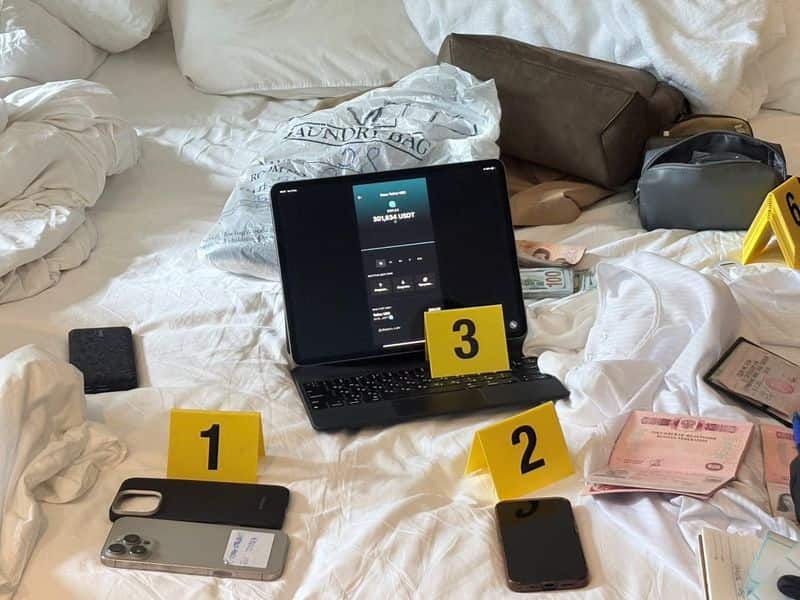
Key facts
- Denis Obrezko, facing U.S. hacking charges, previously worked at Kaspersky Lab.
- Obrezko held a senior specialist position at Kaspersky between 2017 and 2019.
- U.S. prosecutors allege Obrezko worked for Russia's FSB prior to his employment at Kaspersky.
- Obrezko is accused of participating in the "Void Blizzard" hacking group, allegedly acting on behalf of the Russian government.
- The "Void Blizzard" group is accused of mass theft of emails from NATO-aligned European government agencies and U.S. companies.
A computer expert facing U.S. hacking charges, Denis Obrezko, previously held a senior position at Moscow-based antivirus firm Kaspersky Lab between 2017 and 2019, according to sources and records reviewed by Reuters. U.S. prosecutors allege that Obrezko spent the five years prior to his Kaspersky employment working for Russia's domestic intelligence service, the FSB.
Obrezko, who pleaded not guilty to computer crimes in Boston last week, is accused of participating in a newly discovered hacking group known as "Void Blizzard" or "Laundry Bear." This group is alleged to have carried out the mass theft of emails and other communications from NATO-aligned European government agencies and at least 11 U.S. companies at the behest of the Russian government, beginning in 2023.
Documents filed by U.S. prosecutors indicate Obrezko worked as deputy director for Yutek-NN, a Russian cybersecurity company based in Nizhny Novgorod, from 2024 onward. Yutek-NN is licensed by the FSB to develop, sell, or acquire "special technical means for the covert acquisition of information."
Kaspersky confirmed that an employee with Obrezko's name worked at the company between 2017 and 2019, stating they have no information on his current status and that the charged offenses cannot be related to his role during his employment there. Obrezko's lawyer declined to comment on his employment history. The FSB and the Russian Embassy in Washington did not respond to requests for comment.
Experts noted that Obrezko's background could draw further scrutiny to Kaspersky, which has faced concerns over its ties to the Russian government, leading to its software being effectively frozen out of the U.S. market. A lecturer at Lucerne University of Applied Sciences and Arts, Stefan Soesanto, commented that the prosecution of Obrezko was "a vindication for all those that are already highly critical of Kaspersky," adding that the cybersecurity industry and intelligence community often have porous boundaries.