Key facts
- CCSH Corporation, parent of YMTC, plans to raise $4.9 billion via a Shanghai STAR Market IPO.
- The company's subsidiary YMTC is a leading NAND flash chip manufacturer.
- YMTC experienced a substantial turnaround, with Q1 2026 net profit reaching 33.38 billion yuan.
- The surge in profit is attributed to increased demand from AI data centers and tight NAND chip supply.
- IPO proceeds will be used for production upgrades and next-generation NAND R&D.
- CCSH acknowledged geopolitical risks and export controls in its filing.
CCSH Corporation, the parent company of Chinese memory chip manufacturer Yangtze Memory Technologies Corp (YMTC), has announced plans to raise at least 33 billion yuan ($4.9 billion) through an initial public offering on the Shanghai Stock Exchange's STAR Market. The listing, which follows recent successful IPOs by other tech firms like ChangXin Memory Technologies (CXMT) and Unitree, aims to capitalize on the surge in demand for NAND flash chips driven by the artificial intelligence boom.
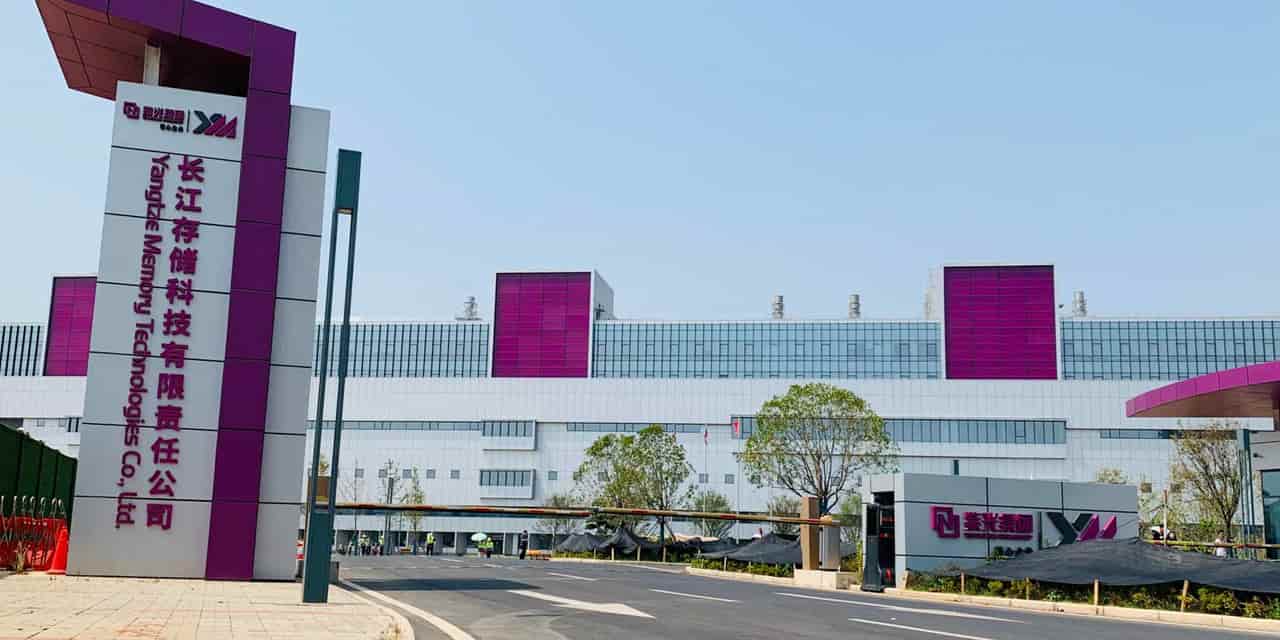
YMTC, which accounts for over 90% of CCSH's revenue, produces NAND flash chips essential for data storage in devices ranging from smartphones to data centers. The company has experienced a remarkable turnaround, with first-quarter 2026 revenue reaching 47 billion yuan and net profit soaring to 33.38 billion yuan, more than double its earnings for the entirety of 2025. This performance is attributed to increased demand from cloud providers building AI infrastructure and a tightening global supply of NAND chips, which has allowed YMTC to increase prices and gross margins significantly.
The company stated that YMTC ranked as the third-largest NAND supplier globally and the top supplier in China by sales and shipment volume in the first quarter of 2026, according to consultancy TrendForce. The proceeds from the IPO are earmarked for upgrading production lines and investing in research and development for next-generation NAND chips and storage products. Despite the positive outlook, CCSH has cautioned about potential geopolitical tensions, export controls, and supply chain disruptions in its prospectus.