Key facts
- The yen eased to around 156.30 per dollar on Friday.
- Lower-than-expected consumer inflation in August reduced expectations for aggressive Bank of Japan tightening.
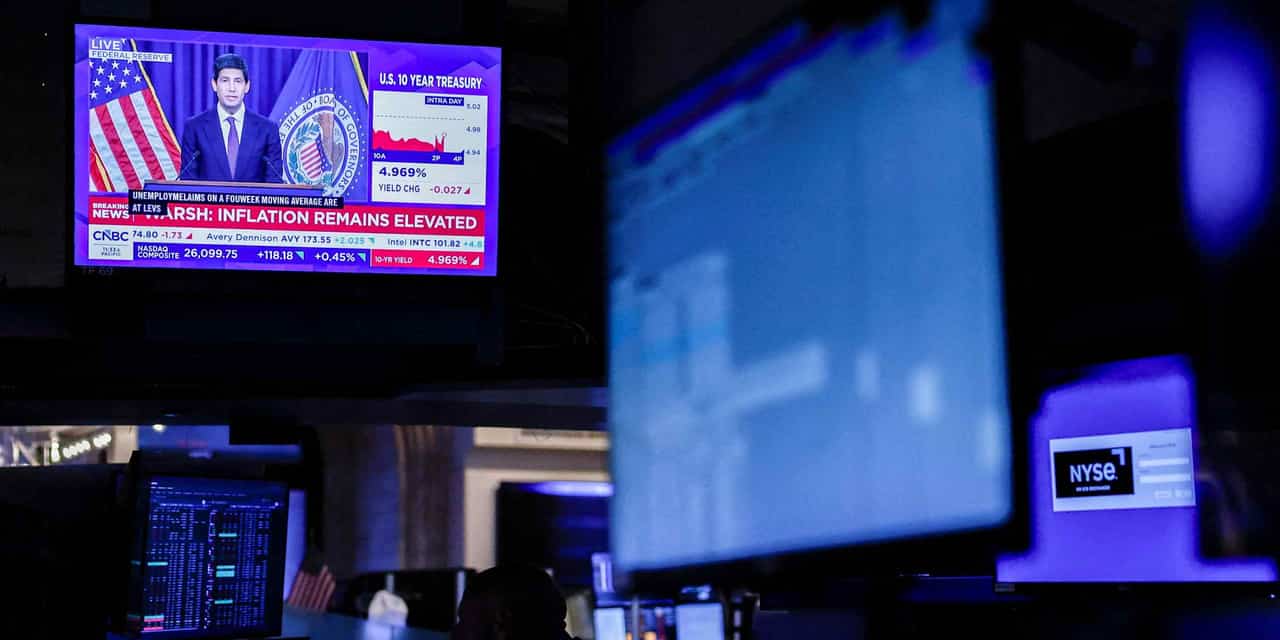
- The Federal Reserve raised its benchmark policy rate by 0.25% on Wednesday.
- The Fed's policy rate projections suggest additional hikes before year-end.
- Japan will continue to communicate closely with the US Treasury Department to maintain an orderly currency market.
- The Bank of Japan is scheduled to hold its monetary policy meeting on Friday.
Asian currencies broadly weakened against the dollar on Thursday morning, with the Japanese yen slipping into the 156-range following a 0.25% rate hike by the U.S. Federal Reserve. The Fed's hawkish tone in its future policy outlook reinforced market expectations for continued rate increases, widening the interest rate differential between the U.S. and Japan.
The yen fell against the dollar in New York trading on the 16th, weakening to as low as 156.42 per dollar shortly after the Federal Reserve announced its monetary policy decision. The move of more than 1 yen renewed focus on the widening interest rate differential. As of 5 p.m. Thursday, the yen stood at 156.27–37 per dollar, a decline of 1.22 yen from the previous day.
With the Bank of Japan's monetary policy meeting approaching this Friday, some market participants anticipate further upside in the dollar-yen pair. Nick Twidale, chief market analyst at AT Global Markets, noted that the Fed's rate hike confirmed the recent pullback in dollar-yen had been somewhat overdone and indicated that further correction is likely. Twidale said the Fed's hawkish signals could push dollar-yen toward the 158.40 level.
Chief Cabinet Secretary Minoru Kihara stated that Japan will continue to communicate closely with the US Treasury Department and strive towards maintaining an orderly currency market, referencing past joint intervention efforts. Finance Minister Satsuki Katayama also said she expected the BOJ to closely coordinate with the government and conduct appropriate monetary policy to achieve its 2% inflation target. The BOJ is set to raise interest rates to a 31-year high of 1.25% on Friday, though analysts say the widely expected move is unlikely to prop up the yen unless Governor Kazuo Ueda delivers a hawkish message on the pace of future rate increases.