Key facts
- The Japanese yen reached seven-month highs against the dollar.
- Brent crude futures broke above $100 per barrel.
- Escalating Middle East conflict contributed to oil price increases.
- The dollar index approached a two-week low.
- The yen has strengthened 4% this month against the dollar.
- Traders anticipate a 25 basis point rate hike from the Bank of Japan.
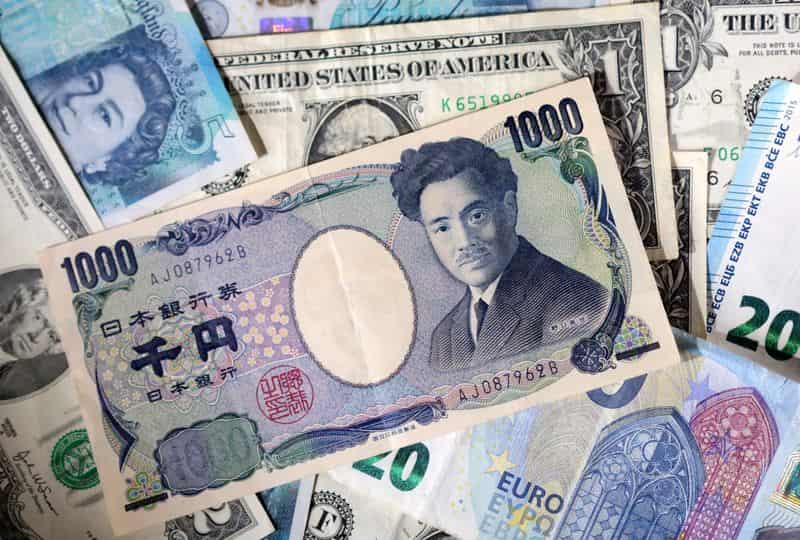
The Japanese yen surged to seven-month highs against the U.S. dollar on Wednesday, as oil prices breached the $100 per barrel mark for the first time since late July amid escalating geopolitical tensions in the Middle East. Brent crude futures climbed nearly 3%.
This rise in oil prices, coupled with ongoing conflict including Houthi strikes on Saudi cities and U.S. and Iranian military actions, has dampened global market sentiment. The dollar index, tracking the U.S. currency against six major peers, drifted near its lowest level in almost two weeks.
The yen's strength is partly attributed to expectations of a faster tightening by the Bank of Japan, with traders widely anticipating a 25 basis point rate hike at the upcoming September 17-18 meeting. The yen has appreciated 4% this month against the dollar, impacting popular carry trades.
Analysts suggest the dollar's weakness may also be influenced by the yen's rapid ascent and positioning ahead of central bank meetings. The euro also saw gains, rising 0.18% to $1.1641, nearing a two-week high ahead of an anticipated European Central Bank rate increase.
U.S. Treasury Secretary Scott Bessent made remarks daring traders to bet against the yen, emphasizing U.S. commitment to protecting its Treasury market. Meanwhile, the chances of a Federal Reserve rate hike next week are estimated at 60%, with upcoming U.S. inflation data on Friday being a key focus.
China's yuan also traded near 3-1/2-year highs against the dollar, buoyed by better-than-expected inflation data and stronger export growth.