Key facts
- The Japanese yen reached a seven-month high against the dollar.
- Brent crude futures approached $100 a barrel amid escalating Middle East tensions.
- The yen's strength is attributed to expectations of a Bank of Japan rate hike.
- Middle East hostilities, including attacks by Iran and Houthis, are contributing to oil price increases.
- The yen carry trade is being impacted by potential rate hikes.
- China reported an increase in consumer and producer prices due to higher energy costs.
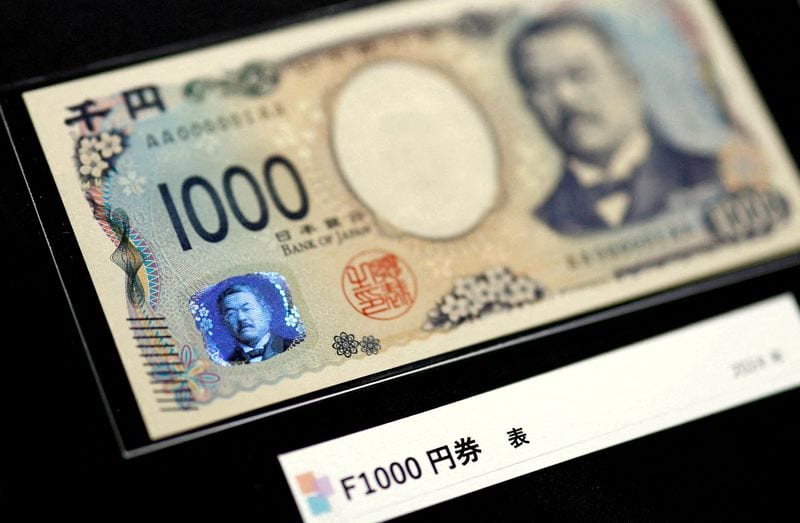
The Japanese yen has surged to its strongest level in seven months against the dollar, driven by expectations that the Bank of Japan will accelerate interest rate hikes. This strengthening of the yen is undermining the long-standing yen carry trade, a strategy where investors borrow yen at low rates to invest in higher-yielding assets.
Simultaneously, escalating hostilities in the Middle East, including Houthi attacks on Saudi energy facilities and U.S. actions against Iranian oil tankers, have pushed Brent crude futures close to $100 a barrel. The yen has gained 4% in September, and traders are widely anticipating a 25 basis point rate hike from the Bank of Japan at its upcoming meeting.
Cross-border yen borrowing reached a record 360 trillion yen ($2.34 trillion) as of March, according to Jefferies' analysis of Bank for International Settlements data. Net shorts on the yen were 92,227 contracts in the week to September 1, though down from a two-year high. A previous surprise rate hike by the BOJ in July 2024 triggered a significant surge in the yen and forced carry traders to unwind positions, leading to global equity sell-offs.
However, BOJ policymakers have been signaling an imminent rate hike for weeks, and equity markets have absorbed the monetary tightening signals and yen gains in an orderly fashion, suggesting a shift in investor sentiment ahead of the pivotal BOJ meeting. China released inflation figures for August showing a marked increase in long-subdued consumer and producer prices, mainly due to higher energy costs.