Key facts
- The U.S. dollar reached a 40-year high against the Japanese yen.
- Rising U.S. Treasury yields and Federal Reserve rate hike expectations are supporting dollar strength.
- A majority of FX strategists surveyed by Reuters expect the dollar's strength to weaken in the coming months.
- Traders are pricing in a higher probability of Fed rate hikes this year.
- Japanese authorities are reportedly considering intervention to support the yen.
- Strategists forecast a gradual recovery for the yen over the next year.
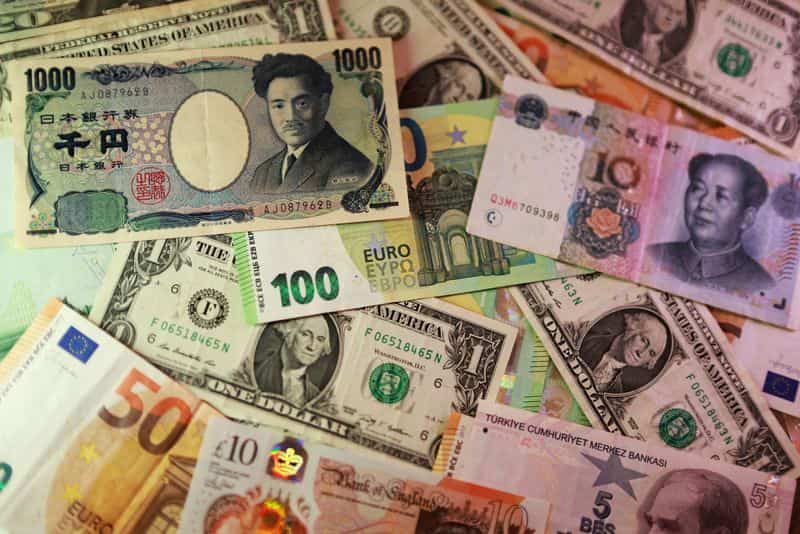
The U.S. dollar has seen a significant rebound, reaching a 40-year high against the Japanese yen, driven by elevated U.S. Treasury yields and increasing bets on Federal Reserve rate hikes. Interest rate futures suggest nearly two hikes by year-end, with nearly half of Fed policymakers expecting rates to rise this year. This dollar strength has also been supported by a resilient U.S. economy and inflation remaining above the Fed's target.
Despite the current dollar strength, a majority of foreign exchange strategists in a Reuters poll anticipate this trend to reverse in the coming months. They predict the dollar will weaken as cooling oil prices ease inflation fears and as market pricing for Fed rate hikes potentially shifts. Poll medians forecast the euro to rise against the dollar by year-end and into next year.
However, there is a growing minority of strategists who believe the dollar's strength will persist or even increase in the near term, citing a more hawkish stance from the Federal Reserve compared to other G10 central banks. This divergence in forecasts highlights uncertainty in the currency markets.
For the Japanese yen, the dollar's strength poses a significant threat, having fallen to a 40-year low. Japanese authorities are reportedly considering intervention to support the currency. Nevertheless, strategists generally expect a gradual yen recovery over the next year, anticipating further tightening from the Bank of Japan.