Key facts
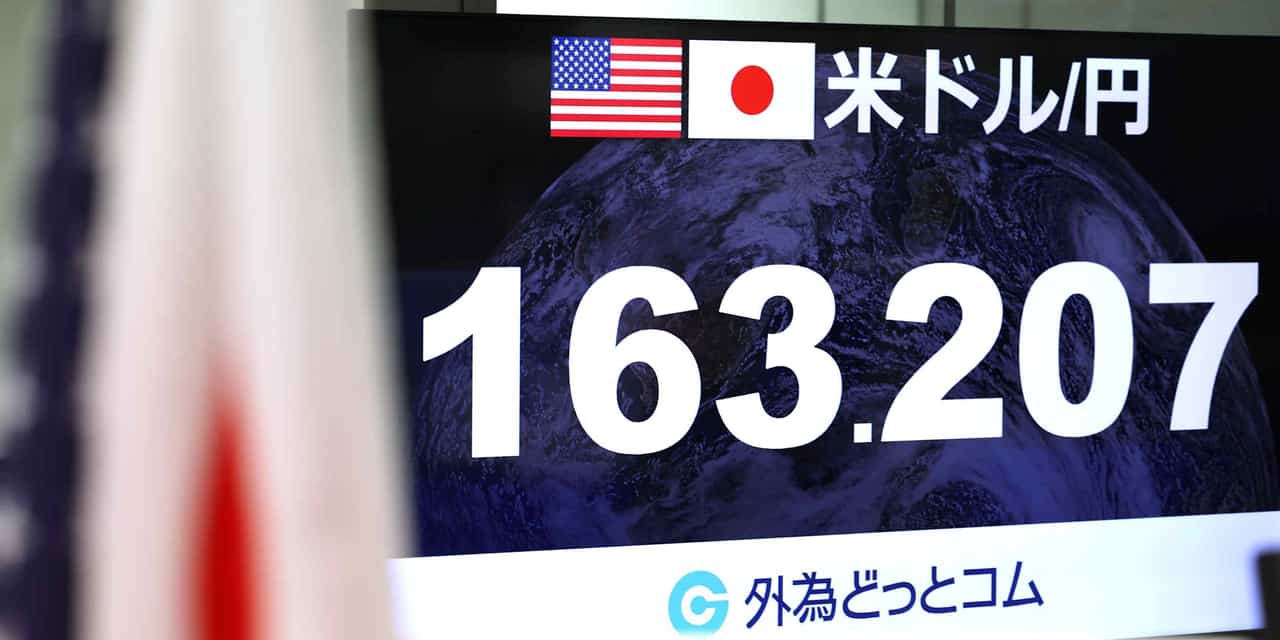
- The Japanese yen fell to 163 against the U.S. dollar, its lowest level in approximately 39 years.
- Escalating U.S.-Iran tensions and rising oil prices are increasing demand for the dollar as a safe-haven asset.
- The yen recovered slightly as traders considered potential intervention from Tokyo.
- Investor pessimism toward the yen has deepened due to a shifting policy backdrop.
The Japanese yen has depreciated significantly against the U.S. dollar, reaching its lowest point in nearly four decades at 163 yen per dollar. This decline is occurring amidst heightened global uncertainty, particularly driven by escalating tensions between the U.S. and Iran. The conflict has led to a surge in crude oil prices, with Brent futures climbing above $92. Investors are increasingly seeking the U.S. dollar as a safe-haven asset, further pressuring the yen. The article also mentions a 'Takaichi plan' as a contributing factor to investor pessimism.