Key facts
- Yemen's Houthis renewed their warning to airlines, airport workers, and travelers against using Saudi airports on Sunday.
- The group stated Saudi Arabia bore responsibility for failed interceptions.
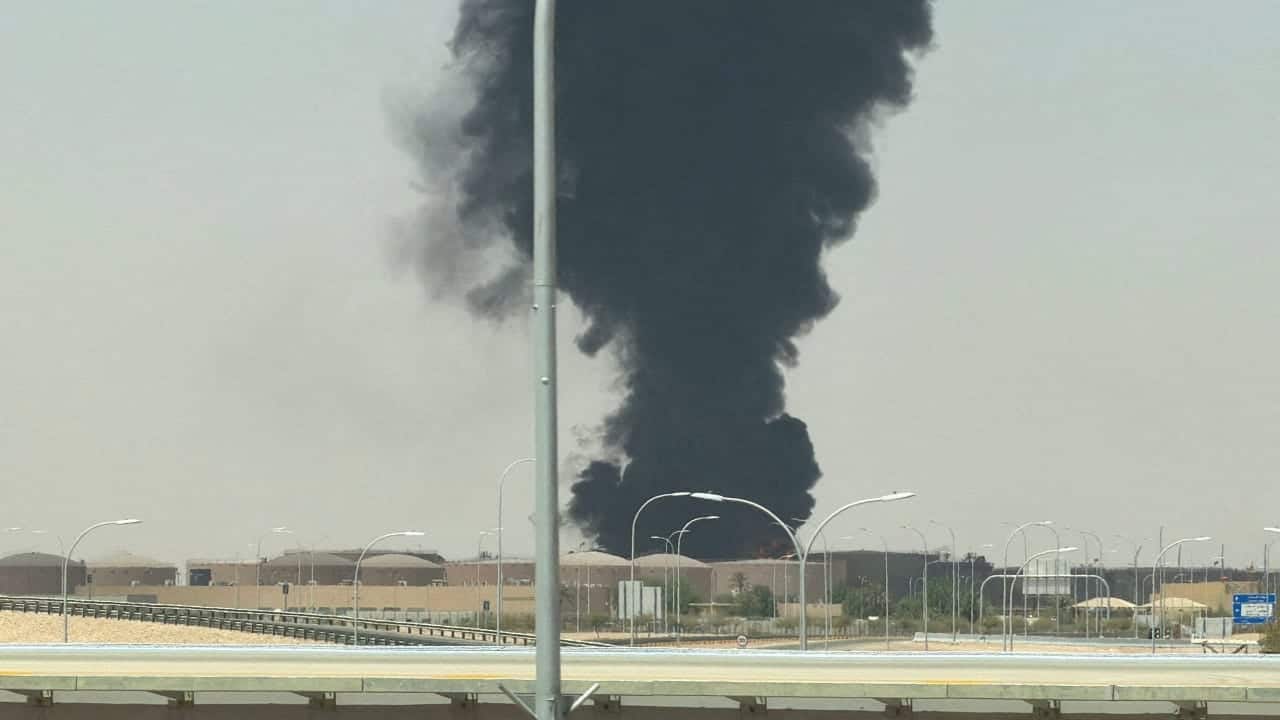
- An attack on Riyadh's international airport on Saturday killed 12 people and wounded over 300.
- The Houthis had previously warned airlines against using Saudi Arabian airspace on October 5, 2026.
- The European Union Aviation Safety Agency (EASA) had issued guidance for Saudi airspace on September 30, 2026, recommending caution due to Houthi attacks.
Yemen's Houthis on Sunday renewed their warning to airlines, airport workers, and travelers against using Saudi airports, stating the warning should be taken seriously. The group said Saudi Arabia bore responsibility for failed interceptions, a day after an attack on Riyadh's international airport killed 12 people and wounded over 300.
The Houthi-run Humanitarian Operations Coordination Center had previously stated that Saudi skies would become a "theater of operations" for its armed forces, according to a statement reported by the group’s Saba news agency. The warning did not identify specific airports, routes, or a timetable for military action.
The statement followed the launch of a Saudi-backed offensive against Houthi forces. Coalition spokesman Maj. Gen. Turki Al-Maliki said 100 fighter jets participated in the opening hours of Operation Dawn of Yemen and claimed that 324 targets had been destroyed.
The European Union Aviation Safety Agency (EASA) had already issued new guidance for Saudi airspace on September 30, 2026, recommending that operators avoid a defined portion of the Jeddah Flight Information Region at all altitudes and exercise caution elsewhere in the region. EASA said Houthi missile and drone attacks had expanded beyond southern and southwestern Saudi Arabia, reaching areas around Riyadh, Tabuk, and Yanbu, warning that those attacks, along with air-defense activity, exposed civilian aircraft to misidentification, interceptions, and falling debris. EASA urged airlines to review the risks before flying and be ready to change their plans with little warning.