Key facts
- Yemen's traditional arms trade is increasingly moving online, with dealers using digital marketing.
- Licensed online weapons stores offer fixed prices and new firearms, competing with traditional markets.
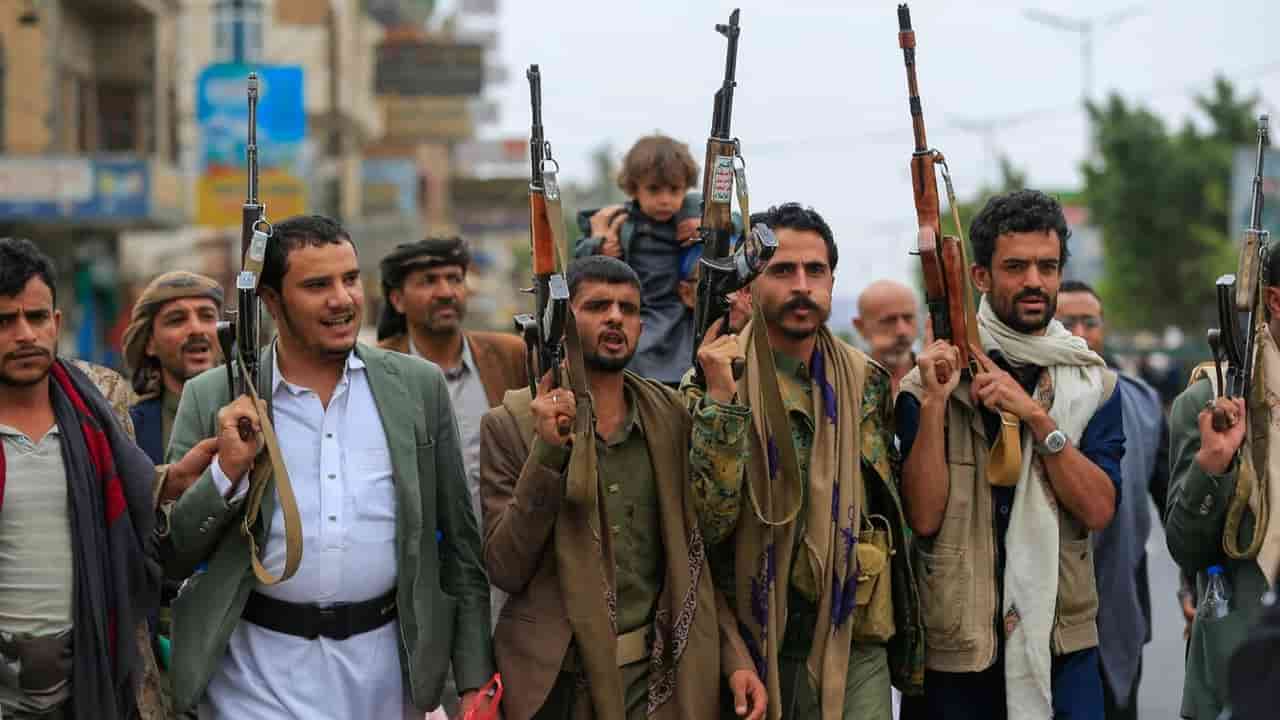
- Weapon ownership is a cultural tradition in Yemen, reflecting social status and serving as a financial investment.
- Yemenis are legally permitted to own and carry personal firearms, with the trade being regulated.
- Online retailers are adapting to technology to avoid bankruptcy and attract customers who prefer digital browsing.
Yemen's long-standing tradition of weapon ownership, deeply intertwined with social status, is undergoing a significant evolution with the advent of online marketplaces. While firearms have historically been a symbol of a man's standing and required extensive travel to acquire from physical markets, dealers are now leveraging digital marketing to reach customers.
Pharmacist Nashwan Abdulwahed exemplifies this shift, successfully sourcing a high-end Turkish Kalashnikov priced at $3,000 through an online store after failing to find it locally. He noted the online purchase offered better quality and a lower price, with the convenience of fixed pricing and no need for haggling, which can be intimidating in traditional markets. Abdulwahed chose to pick up his weapon in person rather than opt for delivery due to its high value.
Licensed online weapons retailers, operating under the Ministry of Interior's oversight, are adhering to legal requirements, selling authorized firearms with official invoices and requiring customer identification. This contrasts with illegal traders who operate in the black market without online presence. Saleem, an online weapons store owner with over 20 years in the business, opened his digital platform in 2024 to adapt to modern shopping habits, offering weapons ranging from $50 to $8,000. He emphasized that failing to adapt to technology would lead to bankruptcy, highlighting how customers now prefer to browse online before making a purchase.
Beyond convenience, weapons in Yemen are also viewed as a stable financial investment, akin to gold. Schoolteacher Ameen Saeed, for instance, sold a Kalashnikov he purchased for $700 seventeen years ago for $1,400, demonstrating its value preservation. Sociologist Fahd Mohammed further elaborated that weapon ownership is a symbol of pride and status, with reports estimating millions of firearms in civilian hands, though the actual number is likely higher. While carrying weapons is generally legal and common during celebrations, authorities are vigilant against explosive devices and other banned materials.