Key facts
- Williams Racing is using AI software from title partner Atlassian to improve engineering efficiency.
- The initiative aims to maximize resources under Formula 1's cost cap.
- An initial AI program reduced low-value meetings by 863 hours in one month for 200 employees.
- Work throughput increased by 83% between October and March.
- Williams is also partnering with Anthropic for AI applications in car development and operations.
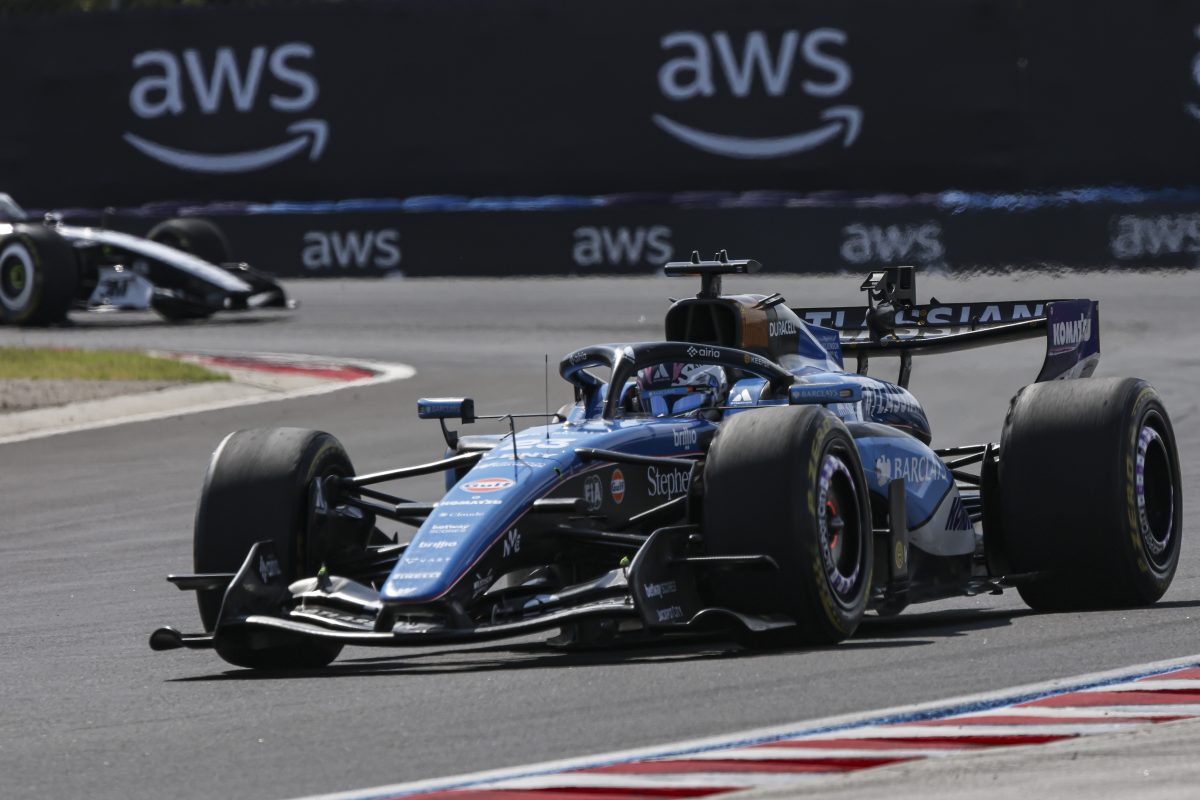
British racing team Williams is integrating artificial intelligence into its operations to enhance engineering efficiency and better manage resources under Formula One's strict cost cap. The team has deployed software from its title partner, Atlassian, across its 1,200-strong workforce as part of a broader strategy led by team principal James Vowles to return to competitive performance.
Initial analysis by Atlassian indicates that a program involving 200 employees successfully reduced "low-value" meetings by 863 hours in a single month and boosted work throughput by 83% between October and March. Matt Harman, Williams' director of engineering, emphasized that time, rather than budget, is the primary constraint for the team, making efficiency gains crucial. He noted that while AI tools like Atlassian's Rovo AI can save him approximately four hours per week by consolidating project information, the team remains cautious about relying on AI for critical engineering decisions, preferring to use it as an information-gathering and suggestion tool.
A key immediate challenge Williams is addressing is the rapid dissemination of information within its large engineering organization. A recent incident at the Hungarian Grand Prix, where a system failure prevented crucial data collection, highlighted this issue. The same fault had previously occurred at the factory but had not been communicated to trackside staff. To rectify this, Williams has integrated its factory and trackside fault reporting into Jira Service Management, with Rovo AI capable of identifying duplicate issues and retrieving past resolutions.
Andrew Boyagi, Atlassian's customer technology officer, explained that Williams previously used disparate systems for fault reporting, leading to delays and duplication. He noted that many companies struggle to translate widespread AI adoption into tangible returns, with only a small percentage of executives reporting clear ROI. Boyagi cautioned that while AI can increase output, it can exacerbate existing bottlenecks if not managed properly.
Despite the productivity gains, Williams does not currently view AI as a means to reduce headcount. Instead, the team reports having more engineering projects than capacity. Atlassian's assessment suggests that 62% of the studied Williams staff now have more time for strategic thinking and innovation. Atlassian benefits commercially from this partnership, with Formula 1 providing a significant marketing platform. Williams is also collaborating with Anthropic, the maker of the Claude AI model, which will be utilized in areas such as car development and operational processes.