Key facts
- The WHO confirmed Russia's state health regulator reported the death of a lab worker at a plague research facility in Siberia.
- No plague cases have been registered, according to Russia's regulator.
- The lab technician died on October 2, prompting quarantine measures for about 200 people.
- Russian authorities stated that over 90% of contacts were monitored and no dangerous pathogens were found.
- The WHO requested more transparent information sharing from Russia to conduct a full risk assessment.
- The WHO updated its risk assessment for the event to 'undetermined'.
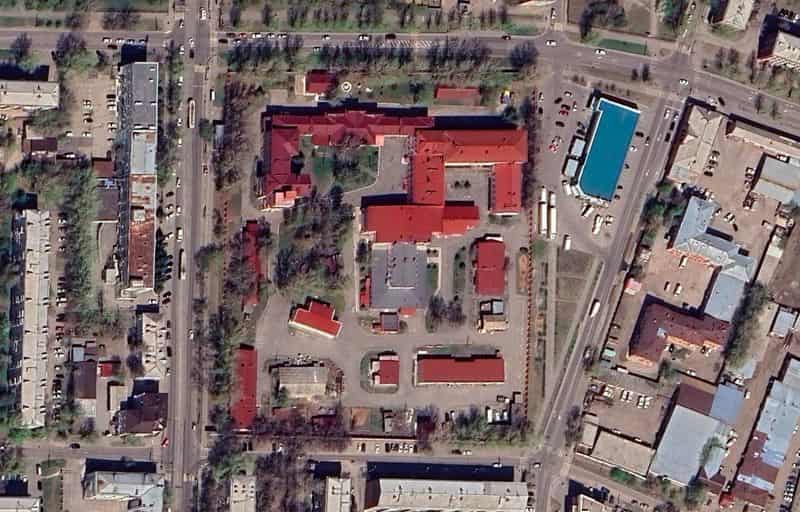
The World Health Organization confirmed on Saturday that Russia's state health regulator has acknowledged the death of a laboratory worker at a plague research facility in Siberia. The WHO was informed that no cases of plague have been registered, despite initial public health concerns and speculation following the incident.
The laboratory technician, identified in Russian media as Darya Shipilova, died on October 2, two days after falling ill. This prompted authorities to quarantine approximately 200 people and implement disease-control measures at local hospitals in Irkutsk.
Russia's health watchdog, Rospotrebnadzor, stated on Wednesday that there is no risk of an epidemic. The agency reported that medical monitoring of over 90% of the deceased worker's contacts had been completed, with no health issues related to infectious disease detected and nearly 5,000 laboratory tests revealing no dangerous pathogenic microorganisms. Rospotrebnadzor also denied reports of a second case of illness.
However, global health experts, including WHO chief Dr. Tedros Adhanom Ghebreyesus, have urged Russia to be more transparent. Dr. Tedros stated that a full risk assessment has not been possible due to conflicting reports and the need for timely, complete, and transparent information sharing under international regulations. The WHO updated its initial assessment of the health risk from 'low' to 'undetermined', as the exact cause of death was still being investigated and it was unclear if it was pneumonic plague, which can spread between people.
Dr. Maria Van Kerkhove, director of the WHO's department of epidemic and pandemic management, indicated that the organization had reached out to Russia's Ministry of Health for detailed information on tests conducted and further analysis. Meanwhile, the US Secretary of State called on Moscow to share more details, and the US State Department reportedly sent a diplomatic communication warning Russia about its international health obligations. President Trump also indicated he was scheduled to speak with Russian President Vladimir Putin about the technician's death.