Key facts
- The largest whale-fall site ever recorded has been discovered in the Indian Ocean.
- Some fossils found at the site date back approximately 5.3 million years.
Chinese deep-sea explorers have discovered the largest whale-fall site ever recorded in the Indian Ocean, with fossils dating back approximately 5.3 million years. This extensive graveyard reshapes understanding of deep-sea ecosystems and their role as archives for cetacean evolution.
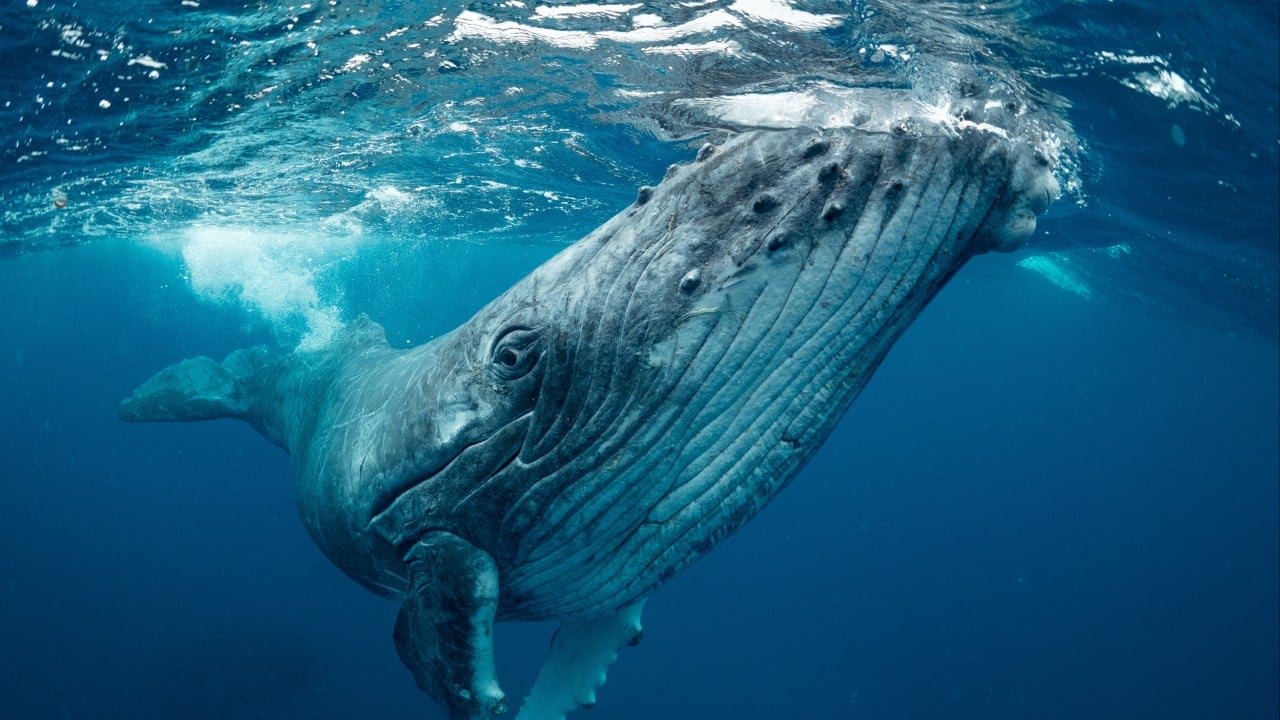
This discovery provides invaluable insights into the long-term ecological processes in the deep ocean and offers a unique window into the evolutionary history of whales, reshaping scientific understanding of these phenomena.
Chinese deep-sea explorers have identified the largest whale-fall site ever recorded in the Indian Ocean, a discovery that significantly advances the understanding of these unique deep-sea ecosystems and their potential as archives for tracing the evolution of whales.
The graveyard, located in the Diamantina Fracture Zone, contains an extensive accumulation of whale fossils, carcasses, and the specialized ecosystems that thrive on them. Some of the fossils have been dated to approximately 5.3 million years ago, making this the deepest and most extensive known site of its kind.
The findings, detailed in the journal Nature, were the result of a study by researchers from the CAS Institute of Deep-Sea Science and Engineering, in collaboration with scientists from the University of Pisa and Earth Sciences New Zealand. The research highlights how whale carcasses, after sinking to the ocean floor, support a unique community of scavengers and decomposers, a phenomenon known as a whale fall.
According to the study, these discoveries reshape the understanding of the geographical distribution and ecological limits of whale-fall ecosystems. They also establish deep-sea floors as crucial fossil archives for studying cetacean evolution over geological timescales.
Pick the topics you care about. Get only what matters, on your cadence.