Key facts
- Federal Reserve Chair Kevin Warsh is under pressure at the Jackson Hole symposium to provide clarity on interest rates and inflation.
- Warsh has adopted a less-is-more communication strategy, which some argue risks market confidence.
- Long-dated US government bond yields have risen significantly, reaching levels not seen since 2007.
- Treasury Secretary Scott Bessent has doubled buybacks of long-dated bonds to address rising yields.
- There is a divergence between Warsh's approach to market intervention and Bessent's actions.
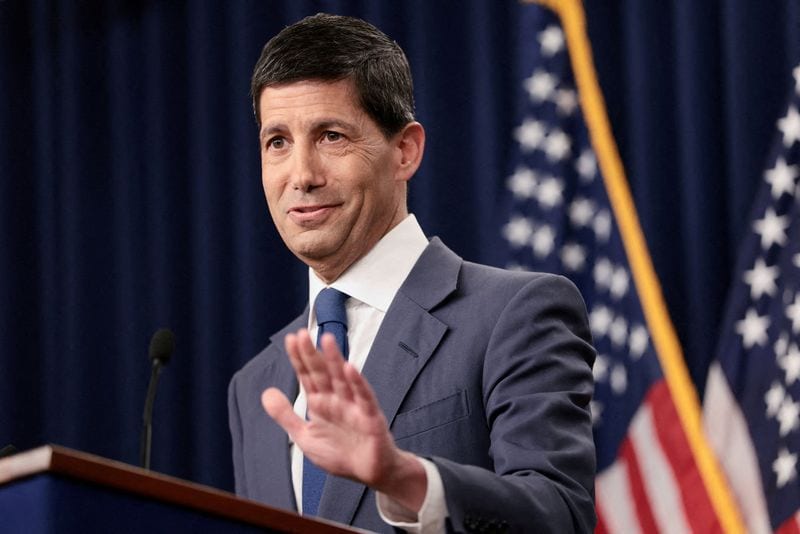
Federal Reserve Chair Kevin Warsh is facing significant pressure from investors and analysts ahead of his first major speech at the Jackson Hole symposium. The market is seeking clarity on his strategy regarding interest rates and inflation, particularly as inflation risks resurface and US government bond yields have climbed to 19-year highs. Warsh has adopted a communication strategy of "plausible deniability," reducing the frequency and detail of Fed statements, arguing that markets should independently determine interest rate paths. This approach has drawn criticism, with some believing it risks upsetting precarious market confidence.
Warsh's predecessor, Jay Powell, faced criticism from President Donald Trump for not raising rates sooner. Investors are now sensitive to any indication that the current Fed regime, with Warsh hand-picked by Trump and Treasury Secretary Scott Bessent, might resist rate hikes. The Federal Open Market Committee has maintained the central interest rate between 3.5% and 3.75% at its recent decisions, in line with market expectations. However, the lack of detailed rationale behind these decisions has fueled uncertainty, particularly in the $50 trillion US government bond market.
Long-dated US government bond yields surged shortly after Warsh's July press conference, which Sonal Desai of Franklin Templeton attributed to traders pricing in an "uncertainty premium." These yields have continued to climb due to inflation fears and the growing US sovereign debt. In response, Treasury Secretary Scott Bessent announced an unusual doubling of the government's buyback program for long-dated bonds, aiming to correct pricing that he believes does not reflect underlying fundamentals. This move has been criticized and adds complexity for Warsh, who must now address the interaction between monetary and fiscal policy. The theme of this year's Jackson Hole symposium, 'Financial Innovation: Implications for Payments and Policy,' provides Warsh cover to focus his speech on less controversial topics. However, analysts like Laura Cooper emphasize the market's need for greater clarity on the Fed's reaction function concerning inflation. Kevin Thozet suggests that a speech offering little guidance could intensify pressure on the long end of the bond market.