Key facts
- Vietnamese banks plan to raise nearly $7 billion through share sales by the end of next year.
- This capital raising drive is Vietnam's largest-ever wave of funding by lenders.
- Foreign ownership limits for three local lenders have been increased to 49%.
- Sumitomo Mitsui Banking Corp is in talks to increase its stake in VPBank to 20%.
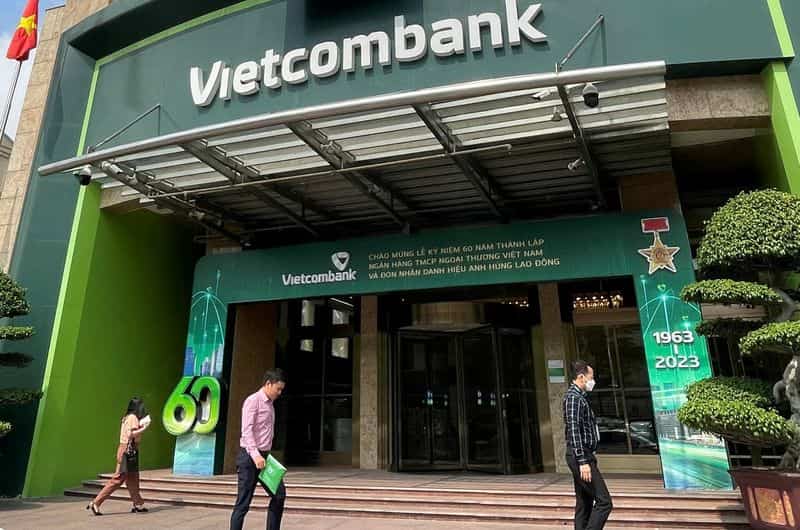
- Vietcombank plans to sell 6.5% of its shares, valued at approximately $1.2 billion.
- BIDV aims to sell an additional 11% of its shares by the end of next year, valued at $1.4 billion.
Vietnamese banks are preparing to raise nearly $7 billion through share sales by the end of next year, a significant move driven by the country's robust economic growth and increasing demand for capital. This wave of fundraising is expected to be the largest ever for Vietnamese lenders and aims to bolster their capacity to meet credit needs amid a domestic funding squeeze.
Top leader To Lam's focus on economic expansion through infrastructure spending has led to a more open approach to foreign participation in the banking sector. While foreign ownership has historically been capped at 30% cumulatively and 20% for individuals, recent policy shifts are allowing greater access. Three local lenders have already seen their foreign ownership limits raised to 49%.
Several major banks are actively pursuing capital increases. Sumitomo Mitsui Banking Corp is in talks to raise its stake in VPBank to 20% from 15% for a $560 million private placement. Vietcombank, the country's largest lender, plans to sell 6.5% of its shares, valued at around $1.2 billion, with current major foreign investor Mizuho Bank potentially increasing its holding. BIDV, the second-largest lender, intends to sell an additional 11% of its shares by the end of next year, valued at approximately $1.4 billion, after an initial 3% sale in March.
Other banks like HDBank are also planning stake sales, and Techcombank has discussed potential deals with foreign lenders. In parallel, Vietnamese banks and corporations have disclosed plans for $5.3 billion in offshore borrowing this year, and the finance ministry is considering its first offshore sovereign bond sale since 2014.
The push for capital is partly driven by the need to meet stricter global Basel III requirements by 2030 and to support rapid loan growth. However, Fitch Ratings noted that while the capital-raising drive is substantial, it may not significantly improve most banks' capitalization due to the rapid deployment of funds into new lending. The report also highlighted risks associated with rising bad debts in the real estate sector, which accounts for a quarter of all loans.