Key facts
- Venezuelan earthquake survivors are criticizing the government's response, citing a lack of organization and inadequate resources.
- Citizens and volunteers are leading rescue efforts, often with basic tools, and managing makeshift shelters.
- Allegations of military and police misconduct, including blocking aid and looting, have surfaced.
- The government acknowledges public frustration and states recovery efforts are ongoing.
- The death toll is officially reported at 2,295, with an unofficial missing list exceeding 40,000.
- A UN envoy is procuring 10,000 body bags, indicating a potentially higher death toll.
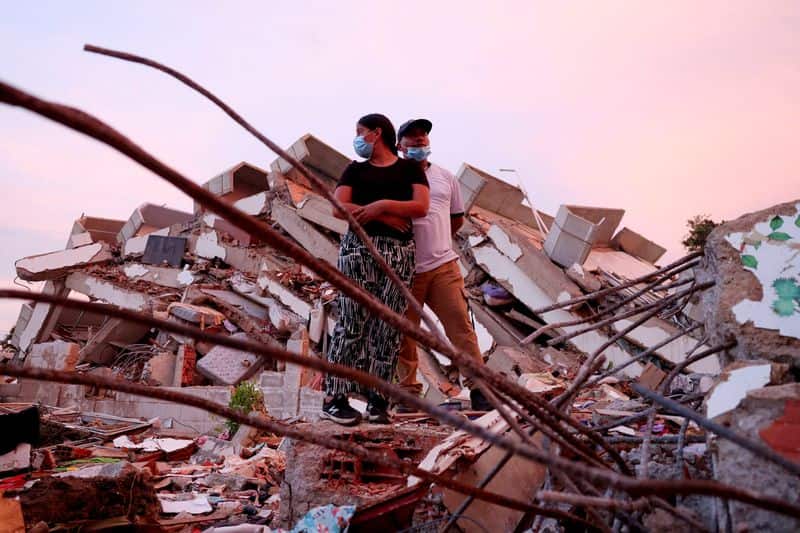
Survivors of recent earthquakes in Venezuela are criticizing the government's response, describing it as slow, inadequate, and disorganized. Citizens, led by young volunteers, are managing makeshift shelters and coordinating rescue efforts, often supplementing a perceived lacking state response. These volunteers, many of whom are also homeless, operate from a disused school in La Guaira, the hardest-hit state, using custom software to register residents and track their needs.
Residents have expressed anger over the loss of loved ones and homes, and frustration with the government's handling of the disaster. Official figures report over 2,200 deaths, with an unofficial missing list exceeding 40,000. A United Nations envoy is procuring 10,000 body bags, suggesting the final death toll could be significantly higher.
Interim President Delcy Rodriguez acknowledged the public's pain and frustration, stating that authorities are continuing to assist affected individuals. However, NGOs have indicated that the scale of the response does not match the humanitarian needs. The volunteer teams are awaiting further government assistance for identification cards and housing aid, while new families continue to arrive at the shelters, many having lost everything in the quakes.