Key facts
- Venezuela has formally notified the United Nations of its decision to withdraw from the International Criminal Court.
- The government cited alleged "geographical bias" within the court, claiming it disproportionately targets nations in the Global South.
- The ICC opened an investigation into the Maduro government in November 2021 for alleged crimes against humanity.
- Venezuela's National Assembly voted to repeal the Rome Statute, the treaty establishing the ICC.
- Formal withdrawal requires notification to the United Nations, after which a one-year period begins for the exit to take effect.
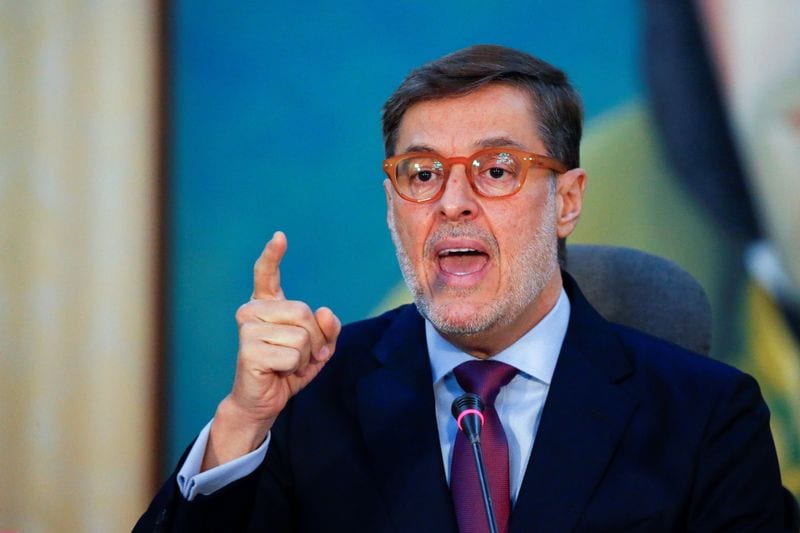
Venezuela has formally notified the United Nations of its "irrevocable" decision to withdraw from the International Criminal Court (ICC). Foreign Minister Felix Plasencia stated the government justified the move by alleging a "geographical bias" within the court, claiming it disproportionately targets nations in the Global South.
This decision follows a vote by Venezuela's National Assembly to repeal the Rome Statute, the international treaty that established the ICC. Lawmakers, including National Assembly President Jorge Rodriguez, denounced the court as "antiquated" and "subservient" to "American imperialism," tying the court's efforts to investigate alleged human rights violations to the designs of the United States.
The ICC opened an investigation into the Maduro government in November 2021 for alleged crimes against humanity, including torture and sexual violence. The court allowed the investigation to proceed in June 2023, finding Venezuela's internal efforts insufficient. Human rights organizations accuse the Maduro administration of extrajudicial executions and unlawful imprisonments.
Venezuela signed and ratified the Rome Statute in 2000. The repeal of the internal law endorsing adherence to the Statute is a necessary step for withdrawal, which requires notification to the United Nations and initiates a one-year exit period.