Key facts
- Tyson Foods stated it will sell its closed beef plants to any buyer, regardless of ownership.
- USDA Secretary Brooke Rollins claimed Tyson CEO Donnie King verbally committed to selling only to American-owned entities.
- The dispute arises amid concerns over foreign ownership in the U.S. meatpacking industry and high beef prices.
- Tyson, Cargill, JBS USA, and National Beef Packing Company slaughter about 85% of U.S. grain-fattened cattle.
- JBS USA is owned by Brazil's JBS, and Marfrig Global Foods SA holds a controlling stake in National Beef Packing Company.
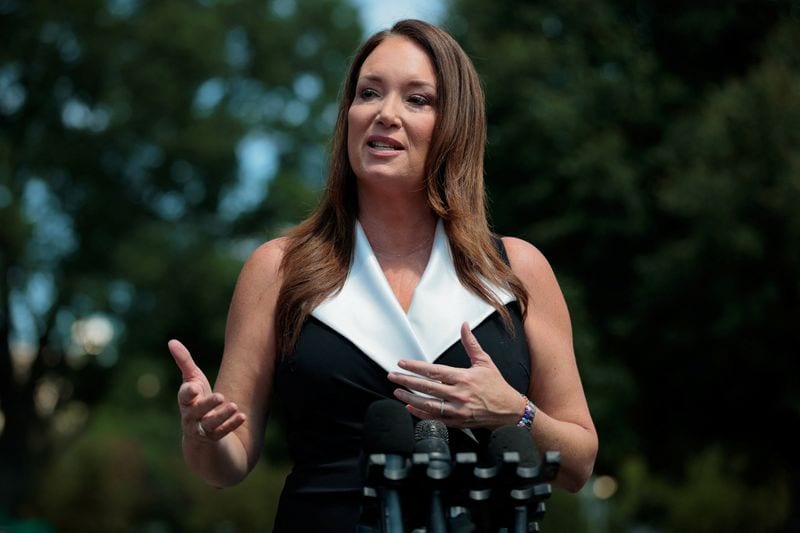
Tyson Foods has disputed a claim by U.S. Department of Agriculture Secretary Brooke Rollins that the company would sell its recently shuttered beef plants exclusively to American-owned companies or producers. A Tyson spokesperson stated that the company's position on selling the closed plants has not changed and that they would sell to any buyer, foreign or domestic.
Rollins had stated at the Farm Progress Show in Boone, Iowa, that she secured a verbal commitment from Tyson CEO Donnie King to ensure the plants would be sold to an American-owned entity. The dispute highlights ongoing tensions between the Trump administration and the meatpacking industry regarding foreign ownership of U.S. beef processing facilities and high beef prices, which have become a politically sensitive issue ahead of the midterm elections.
Four major meatpackers—Tyson, Cargill, JBS USA, and National Beef Packing Company—slaughter approximately 85% of U.S. grain-fattened cattle. JBS USA is owned by Brazil's JBS, and Marfrig Global Foods SA holds a controlling stake in National Beef Packing Company. The Trump administration has expressed concerns about foreign ownership while also taking steps to encourage ground beef imports. Last year, President Trump accused meatpacking companies of driving up prices through manipulation and ordered a Justice Department investigation. Meatpackers have reported losses in their beef businesses due to high cattle costs offsetting rising beef prices.