Key facts
- The U.S. Treasury will buy up to $6 billion in 10- to 20-year Treasury bonds.
- The buyback operation is triple the size of the previous one for long-dated securities.
- Benchmark 10-year Treasury yields rose to their highest level since November 2023 following the announcement.
- A subsequent auction of 10-year notes saw strong demand, selling at a yield of 4.834%.
- Demand for the 10-year notes reached 2.71 times the amount offered, the highest since 2019.
- Traders are pricing in approximately 60% odds of a Federal Reserve rate hike at its next meeting.
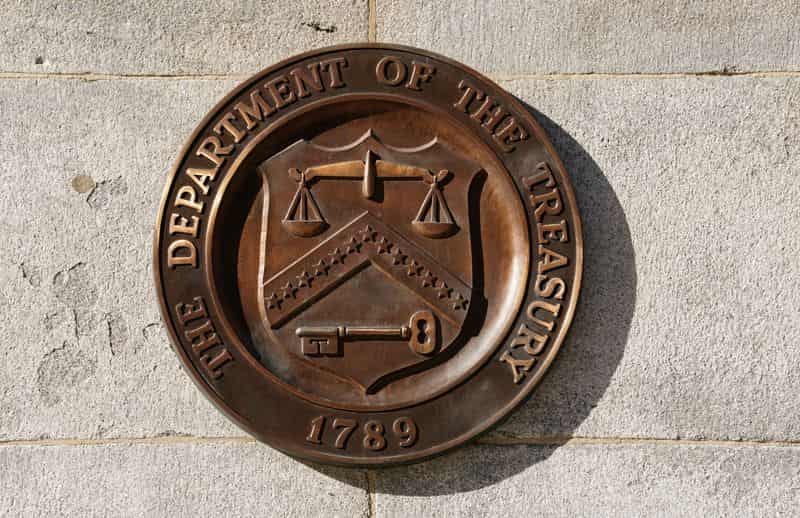
Benchmark 10-year Treasury yields climbed to their highest levels since November 2023 on Wednesday, initially driven by disappointment over the size of an enlarged U.S. Treasury buyback operation. The Treasury announced it would purchase up to $6 billion in 10- to 20-year bonds, triple the size of its previous operation, a move intended to bolster liquidity in longer-dated securities.
However, yields retreated from their peaks after a subsequent auction of $39 billion in 10-year notes saw robust demand, selling at a yield of 4.834%, more than a basis point below where they traded beforehand. Demand for the 10-year notes reached 2.71 times the amount offered, the highest since 2019, suggesting investors saw value at those higher yields.
Market participants had anticipated a larger buyback, with some viewing the $6 billion figure as a disappointment. This sentiment, coupled with rising oil prices and recent strong employment data, has fueled concerns about persistent inflation and the possibility of further interest rate hikes by the Federal Reserve. Traders are now pricing in approximately 60% odds of a rate hike at the Fed's upcoming meeting on September 15-16.
Rising oil prices, which breached $100 per barrel for the first time since July, have reignited worries that higher fuel costs will translate into broader consumer inflation. This comes as investors await key U.S. producer price and consumer price inflation reports due Thursday and Friday, which are expected to heavily influence the Fed's decision.