Key facts
- US Treasury Secretary Scott Bessent announced plans for 'the toughest sanctions in history' on Iran.
U.S. Treasury Secretary Scott Bessent announced plans for 'the toughest sanctions in history' on Iran, aiming to collapse its regime and avoid further military conflict. Iran vowed a 'devastating' response to the threats.
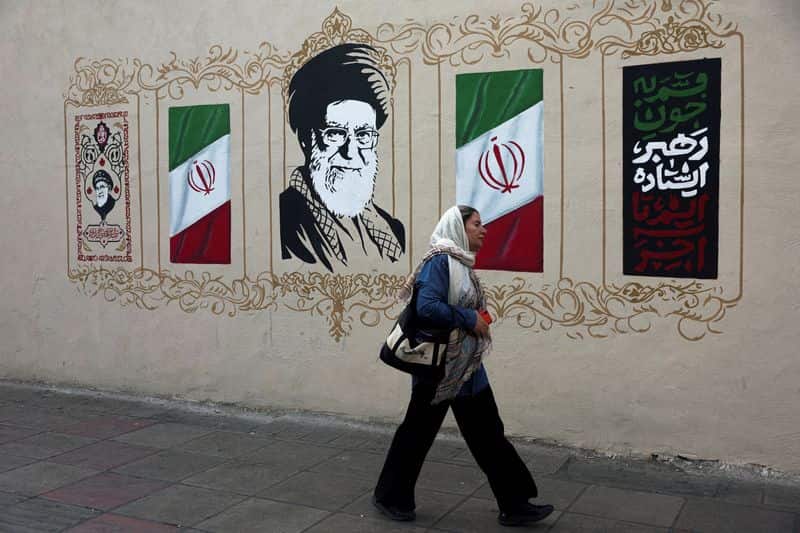
The imposition of unprecedented sanctions on Iran could significantly impact its economy, potentially leading to regime change and altering regional stability. The response from Iran and major trading partners like China will be critical in determining the geopolitical and economic fallout.
U.S. Treasury Secretary Scott Bessent announced that the United States will impose "the toughest sanctions in history" on Iran, a move he suggested would lessen the need for new major military operations. Bessent's comments followed President Donald Trump's threat of "Economic Warfare" against countries providing lifelines to Iran. Bessent promised details next week, and Iran's parliament speaker Mohammad Baqer Qalibaf accused the U.S. and Israel of economic and cognitive warfare.
Oil prices rose to more than a three-week high on Thursday following the U.S. threats of financial penalties aimed at forcing an end to a nearly six-month-old war. Bessent told CNBC that if the U.S. is applying maximum economic pressure, "then that means that likely there will not be a large-scale kinetic restart." Iran has weathered near-continuous, punishing economic sanctions for nearly 50 years. Iran's foreign ministry condemned U.S. economic and trade sanctions, calling them "economic terrorism."
Bessent told CNBC he would share more details on the latest package on Monday. "It is a one-two punch. We have the blockade (on Iran), and we are going to have the toughest sanctions in history," he added, referring to a U.S. naval blockade imposed on Iran in April. "It is going to work in Iran and we are going to collapse this regime."
China buys more than 80% of Iran's shipped oil, according to 2025 data from analytics firm Kpler. When asked if the United States could target China for doing business with Iran, Bessent said many conversations were best to have in private. China's embassy in Washington said "sanctions and pressure do not help resolve the problem."
Pick the topics you care about. Get only what matters, on your cadence.