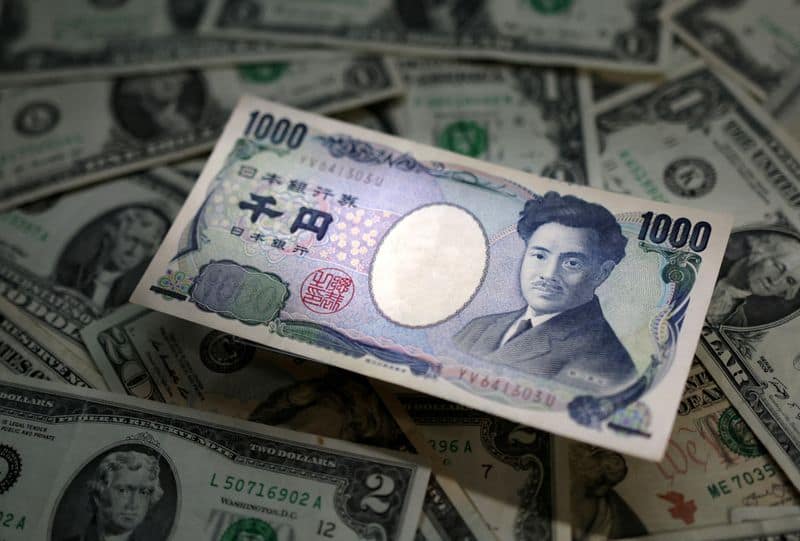
Key facts
- U.S. Treasury Secretary Scott Bessent urged Japan to raise interest rates to strengthen the yen.
- Japan and the U.S. agreed to coordinate on orderly yen movements.
- The yen traded near 160 per dollar, a level that could prompt intervention.
- Bessent met with Bank of Japan Governor Kazuo Ueda, emphasizing sound monetary policy.
- Bessent also advocated for G20 nations to consider using tariffs to protect domestic industries.
U.S. Treasury Secretary Scott Bessent has urged Japan to raise interest rates to combat the yen's slide towards the 160-per-dollar level, a move that could prompt intervention. Japan and the U.S. have agreed to coordinate on currency policy to ensure orderly yen movements. Finance Minister Satsuki Katayama stated that Japan remains prepared to intervene if necessary, continuing a stance previously taken. Bessent met with Bank of Japan Governor Kazuo Ueda, emphasizing the importance of sound monetary policy to anchor inflation expectations and avoid excessive currency volatility. Separately, Bessent advocated for G20 nations to consider using tariffs to protect domestic industries from cheap imports, referencing the Trump administration's policies. He also noted China's record trade surplus and the global rise in debt.