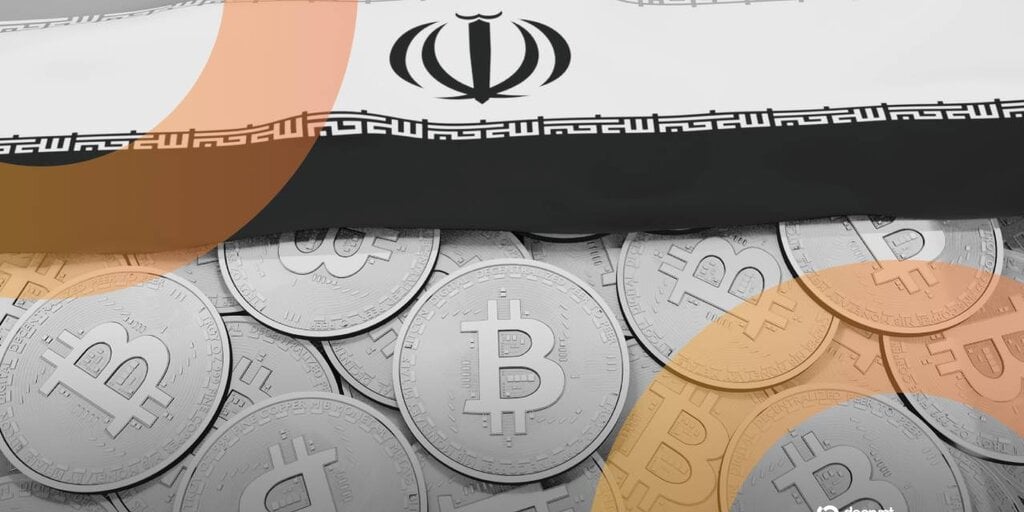
Key facts
- The U.S. Treasury has sanctioned Iran's digital asset sector.
- Over $100 million in crypto payments for Iranian oil sales were processed by a UAE-based broker.
- The U.S. can now sanction any individual or company globally operating in Iran's digital asset sector.
- The Treasury stated Iran increasingly turns to cryptocurrency for sanctions evasion, particularly for transactions linked to the IRGC.
- Arman Kahzadian was designated for digital asset heists.
The U.S. Treasury has significantly expanded its sanctions regime against Iran by targeting its digital asset sector, a move Secretary Scott Bessent described as "Operation Economic Outcast." This initiative allows the Office of Foreign Assets Control (OFAC) to sanction any individual or entity worldwide operating in Iran's digital asset economy, regardless of their location. This broad authority, established under Executive Order 13902, builds upon previous actions targeting Iran's financial and petroleum industries.
The Treasury stated that Iran is increasingly utilizing cryptocurrency to evade sanctions, particularly for transactions involving the Islamic Revolutionary Guard Corps (IRGC) and regime insiders. Specifically, the agency accused Ivan Obukhov, a Ukrainian national based in the United Arab Emirates, and his company Foscom FZE, of processing over $100 million in cryptocurrency payments since 2023 to facilitate oil sales on behalf of the IRGC's Qods Force.
Alongside the sectoral determinations, nearly 60 entities, individuals, and vessels were designated. Among them is Arman Kahzadian, identified as part of a cyber actor group directed by Iran's Ministry of Intelligence and Security, who focused on digital asset heists. The Treasury also noted previous actions, including sanctions on exchange Nobitex for terrorist financing and firms that accepted Bitcoin for passage through the Strait of Hormuz.
Iran's Foreign Minister Abbas Araghchi dismissed the U.S. campaign as "desperate," characterizing the measures as repetitive and ineffective. The rial subsequently fell to a record low against the dollar.