Key facts
- US Customs and Border Protection uses biometric facial comparison technology at airports.
- About 0.13% of US citizens arriving by air opted out of biometric processing in the past year.
- The Patriot Act called for the utilization of biometric technology in entry and exit data systems.
- Elbit Systems has installed surveillance towers along the southern US border since 2014.
- Flock Safety cameras are used by law enforcement for alleged crime-fighting purposes.
- A police officer in Kentucky was arrested for allegedly misusing a Flock system to track his ex-girlfriend.
The expansion of government surveillance in the United States, particularly following the September 11, 2001 attacks, has been further amplified by the increasing use of biometric technologies like facial recognition and automatic license plate readers. The Patriot Act, enacted after 9/11, facilitated a focus on biometric technology for border entry and exit systems, leading to widespread implementation.
US Customs and Border Protection (CBP) utilizes biometric facial comparison at airports, with a very small percentage of citizens opting out. The author recounts a personal experience in December 2021 at Dallas Fort Worth International Airport where passport production was replaced by a camera scan, a process advertised as faster and more secure. The normalization of such tracking mechanisms is seen as a consequence of post-9/11 security measures.
Critics argue that these technologies, including facial recognition software, have led to disproportionate misidentification of Black and Latino individuals. The Patriot Act also enabled broader government spying, including mass collection of phone records and personal information, with gag order provisions for those compelled to disclose such data. The article draws parallels to Orwell's 'Nineteen Eighty-Four' and notes that Arabs and Muslims bore significant antagonism from the security state in the aftermath of 9/11.
Israeli companies like Elbit Systems, with experience testing technologies on Palestinians, have capitalized on these opportunities in the US. Elbit Systems of America has installed numerous surveillance towers along the southern US border since 2014, employing advanced radar and camera technology. These systems are criticized for expanding border militarization and violating indigenous rights. In July, Elbit Systems reportedly secured over $370 million in additional CBP contracts.
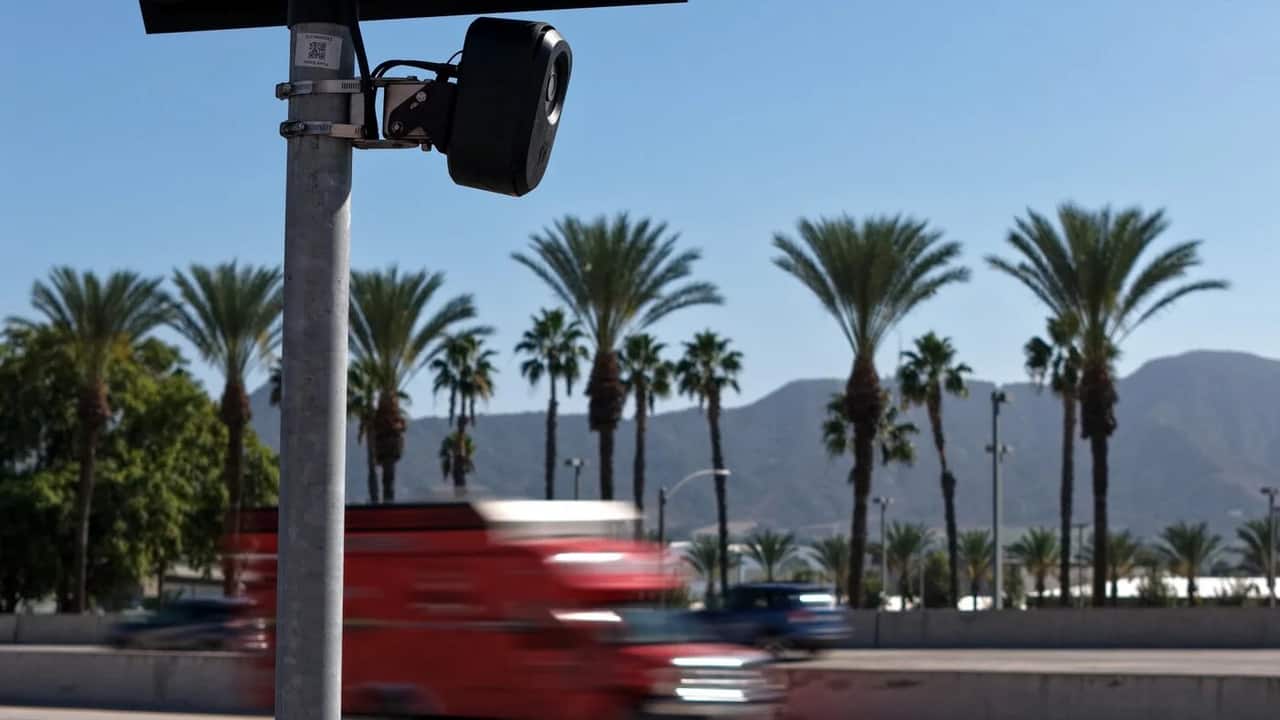
American tech giants such as IBM, Microsoft, Google, and Amazon have also refined their surveillance capabilities through work in Israel. The rise of artificial intelligence has further escalated surveillance concerns, with AI-powered automatic license plate readers (ALPRs) from companies like Flock Safety becoming widespread. Despite claims of use for crime-fighting, public skepticism remains high due to privacy concerns and instances of misuse, such as law enforcement officers using Flock systems for stalking.