Key facts
- Iran reported 18 deaths and 108 wounded in U.S. airstrikes.
- A U.S. airstrike reportedly hit a wedding in Iran, causing civilian casualties.
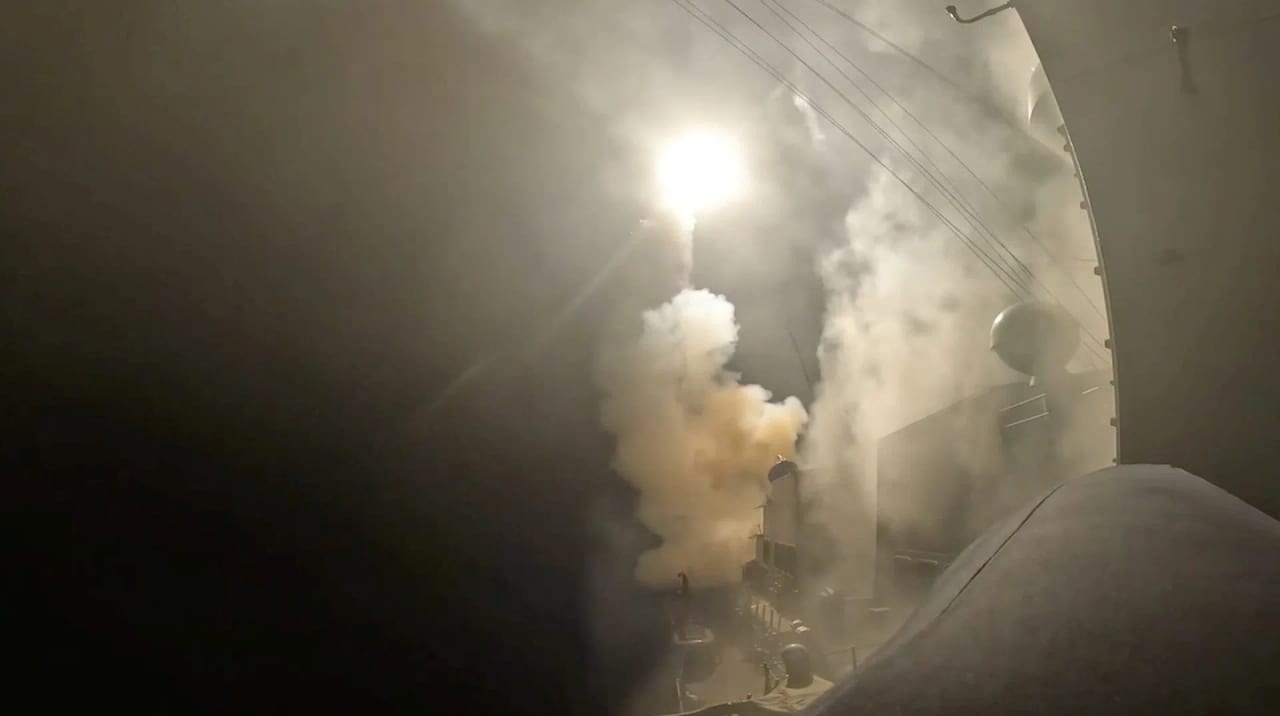
- The U.S. and Iran engaged in an exchange of fire, the most significant since July.
- Iran targeted U.S. bases in Kuwait.
- The U.S. military stated it does not target civilians.
Iran has reported that 18 people were killed and 108 wounded in U.S. airstrikes, with one strike reportedly hitting a wedding and causing civilian casualties. Mourners carried caskets at a funeral for the victims. In a separate development, Iran launched missiles and drones at a U.S. base in Kuwait, defying warnings from President Trump. The U.S. military stated it was aware of Iranian reports but "never targets civilians", while Washington launched airstrikes on Tuesday hitting military targets in retaliation for Iranian attacks on shipping. This exchange of fire between the U.S. and Iran is the most significant since July, escalating tensions and raising concerns about a wider conflict.