Key facts
- The U.S. military conducted its seventh consecutive night of airstrikes on Iran, directed by President Donald Trump.
- U.S. forces targeted surveillance sites, military logistics infrastructure, underground weapons storage, and maritime capabilities.
- Iranian state media reported at least seven civilians killed and over 300 wounded by U.S. strikes on bridges and infrastructure.
- Iran launched retaliatory attacks against U.S. allies in the Gulf, including hitting a power generation and water desalination station in Kuwait.
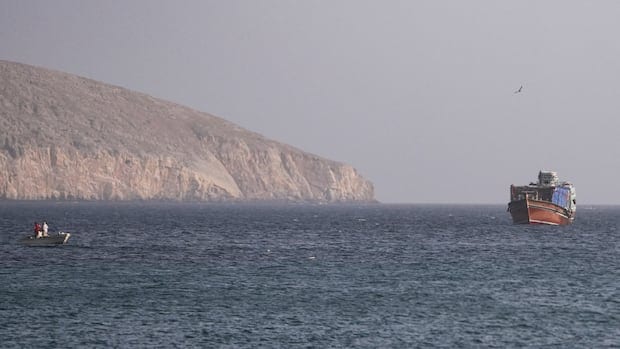
- The IRGC claimed to have stopped four ships and reported two oil tankers exploded after hitting mines in the Strait of Hormuz.
The United States has conducted a seventh consecutive night of airstrikes on Iran, with U.S. forces employing fighter aircraft, aerial drones, and warships to hit targets including surveillance sites, military logistics infrastructure, underground weapons storage, and maritime capabilities. President Donald Trump directed the strikes, which Iranian state media reported damaged at least five bridges and killed seven civilians, with additional reports of explosions in Chabahar and Iranshahr. The U.S. Central Command confirmed the completion of these latest attacks. In response, Iran struck U.S. allies in the Gulf, with Kuwait reporting damage to a power generation and water desalination station. The IRGC claimed to have stopped four ships and reported two oil tankers exploded after hitting mines in the Strait of Hormuz, a critical chokepoint for global oil supplies. This escalation follows previous threats from President Trump to target Iranian energy infrastructure and bridges, with international law experts suggesting such actions could amount to war crimes. The conflict, which began with U.S. and Israeli strikes on Iran, has led to thousands of casualties and displaced millions, while also impacting global markets and oil prices.