Key facts
- The Dow Jones Industrial Average rose 340.08 points, or 0.67%, to 51,266.64 at the opening bell.
- The S&P 500 gained 68.27 points, or 0.89%, to 7,734.72 at the opening bell.
- The Nasdaq Composite gained 341.47 points, or 1.27%, to 27,216.91 at the opening bell.
- US Treasury yields dropped significantly following a softer-than-expected jobs report.
- Lower oil prices also boosted market sentiment.
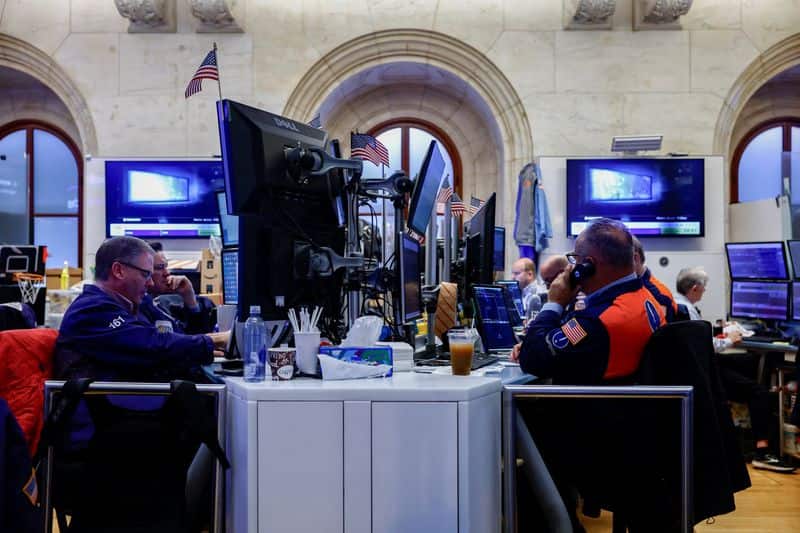
Wall Street's main indexes opened higher on Friday, as a softer-than-expected jobs report deepened prospects of an unchanged US interest rate this month, leading to a bigger drop in Treasury yields, while lower oil prices also boosted sentiment.
At 09:30 a.m. ET, the Dow Jones Industrial Average rose 340.08 points, or 0.67%, to 51,266.64, the S&P 500 gained 68.27 points, or 0.89%, to 7,734.72, while the Nasdaq Composite gained 341.47 points, or 1.27%, to 27,216.91 at the opening bell.
Investors are entering the fourth quarter with seasonal optimism for US stocks, but face significant challenges including soaring bond yields, the upcoming US midterm elections, and the market's reliance on AI spending. The S&P 500 has gained 12% year-to-date and is nearing its August record high, while the Nasdaq Composite is up more than 15%.
Historically, the fourth quarter is a strong period for the S&P 500, averaging a 4.2% gain since 1945 and showing positive returns 85% of the time. The fourth quarters of midterm election years have been even stronger, with an average gain of 6.4%, as election uncertainty dissipates. However, midterm years overall have historically been subpar for stocks, a trend that has not materialized in 2026 so far, with the S&P 500's deepest drop being only 9%.
The most immediate concern for investors is the surge in bond yields, with the 10-year Treasury yield reaching 5.34% on Thursday, its highest level in 24 years. This rise is attributed to expectations of strong economic growth, rising energy costs driving inflation, and increased corporate debt issuance for AI expansion. Higher yields compete with equities for capital, potentially pressuring stock valuations and increasing borrowing costs.
Federal Reserve policy is also a key factor. The central bank recently raised interest rates for the first time in three years to combat inflation, and minutes from that meeting are due Wednesday, which could provide clues about future rate hikes. Corporate earnings season is also set to begin, with S&P 500 companies expected to report over 30% profit growth in the third quarter. A particular focus will be on capital expenditure revisions by AI hyperscalers, which have driven significant market gains.